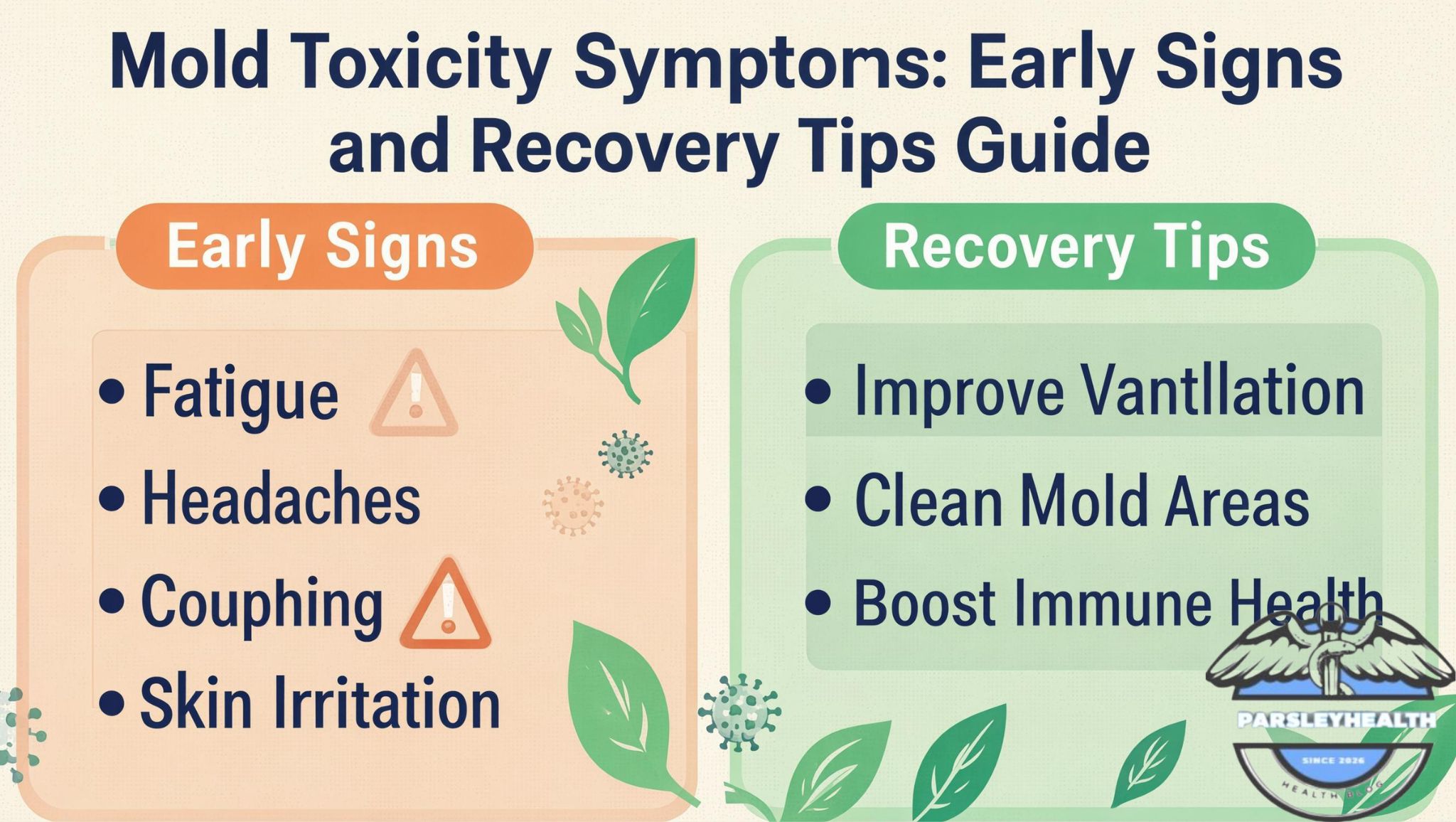
You walk into your home after a long day, and something feels off. Maybe there’s a musty smell you’ve started ignoring, or perhaps you’ve been dealing with unexplained fatigue, headaches, or brain fog for months. What many people don’t realize is that mold toxicity symptoms can quietly affect daily life without obvious warning signs.
Mold exposure is more common than most homeowners think. Damp walls, hidden leaks, poor ventilation, and water damage can create the perfect environment for mold growth. Over time, airborne spores and mycotoxins may contribute to ongoing health issues that are often mistaken for allergies, stress, or seasonal illness.
For some people, the effects are mild and temporary. For others, exposure can lead to persistent discomfort that disrupts sleep, concentration, energy levels, and respiratory health. Understanding how the body reacts to indoor mold is an important first step toward protecting your home and your well-being.
Understanding Mold Exposure and Its Health Effects
Mold is a naturally occurring fungus found both indoors and outdoors. While small amounts are generally harmless, problems begin when mold colonies grow inside homes, offices, schools, or other enclosed spaces with excess moisture.
Certain molds release microscopic substances called mycotoxins. These compounds can irritate the immune system and trigger inflammatory reactions in sensitive individuals. The severity of symptoms often depends on factors such as:
- Length of exposure
- Ventilation quality
- Existing respiratory conditions
- Immune system strength
- Age and overall health
- Type of mold present
Not everyone reacts the same way. Two people can live in the same home and experience completely different symptoms. This is one reason mold-related illness is frequently misunderstood or overlooked.
Common Mold Toxicity Symptoms People Often Ignore
One of the most frustrating aspects of mold-related illness is how easily the symptoms resemble other conditions. Many people spend months searching for answers before considering environmental exposure as a possible cause.
Persistent Fatigue and Low Energy
Feeling exhausted after a full night’s sleep is one of the most reported concerns linked to indoor mold exposure. Chronic inflammation may leave the body constantly working overtime, leading to physical and mental exhaustion.
People often describe:
- Difficulty waking up
- Midday crashes
- Reduced stamina
- Muscle weakness
- Feeling drained after simple tasks
When fatigue continues without a clear explanation, it may be worth investigating environmental triggers within the home.
Respiratory Problems and Sinus Irritation
Respiratory discomfort is among the most recognizable mold toxicity symptoms. Mold spores can irritate nasal passages, lungs, and airways, especially in people with allergies or asthma.
Common respiratory reactions include:
- Sneezing
- Chronic coughing
- Wheezing
- Postnasal drip
- Nasal congestion
- Shortness of breath
- Frequent sinus infections
Many people notice their symptoms worsen indoors and improve after spending time outside the affected environment.
Brain Fog and Difficulty Concentrating
Cognitive changes are another issue commonly associated with prolonged exposure. Brain fog may affect productivity, memory, and mental clarity.
Individuals sometimes experience:
- Trouble focusing
- Forgetfulness
- Slower thinking
- Difficulty processing information
- Reduced motivation
- Mental fatigue
These symptoms can become especially disruptive for students, professionals, and parents managing busy schedules.
How Mold Affects the Immune System
The immune system plays a major role in how the body responds to environmental toxins. In sensitive individuals, ongoing exposure may trigger an inflammatory response that keeps the immune system in a constant state of alert.
This prolonged activation can contribute to recurring health complaints that seem unrelated at first glance. Some people develop heightened sensitivities to smells, dust, chemicals, or certain foods after extended exposure.
Researchers continue studying the relationship between indoor mold and chronic inflammatory conditions. While responses vary, many health professionals agree that reducing exposure is essential for improving symptoms.
Skin, Eye, and Allergy-Related Reactions
Not all mold reactions involve the lungs. In some cases, exposure affects the skin, eyes, and mucous membranes.
Eye Irritation
People exposed to mold may notice:
- Watery eyes
- Redness
- Burning sensations
- Light sensitivity
- Itchy eyelids
These symptoms can resemble seasonal allergies, making it difficult to identify the underlying cause.
Skin Sensitivity
Some individuals experience skin-related reactions after exposure to damp indoor environments.
Possible symptoms include:
- Rashes
- Itching
- Dry skin patches
- Hives
- Increased sensitivity
Skin symptoms often appear alongside respiratory irritation or fatigue.
Increased Allergy Responses
Mold exposure can aggravate existing allergies. People who already react to pollen, dust, or pet dander may notice stronger or more frequent reactions in moldy environments.
Neurological and Emotional Effects of Mold Exposure
Environmental stressors can influence both physical and emotional health. Some people exposed to mold report neurological and mood-related changes that interfere with daily routines.
Headaches and Migraines
Frequent headaches are among the more commonly reported mold toxicity symptoms. Poor indoor air quality and inflammatory responses may contribute to recurring discomfort.
Headaches linked to mold exposure are sometimes described as:
- Pressure behind the eyes
- Persistent dull pain
- Morning headaches
- Migraine flare-ups
- Sensitivity to strong smells
Mood Changes and Anxiety
Living in an unhealthy environment can affect emotional well-being. Ongoing discomfort, sleep disruption, and inflammation may contribute to feelings of stress or irritability.
Some individuals report:
- Increased anxiety
- Mood swings
- Irritability
- Restlessness
- Trouble relaxing
These symptoms can become more noticeable when exposure continues for long periods.
Sleep Disturbances
Poor sleep quality is another overlooked issue associated with indoor mold exposure.
Possible sleep-related effects include:
- Difficulty falling asleep
- Nighttime coughing
- Restless sleep
- Waking up congested
- Frequent nighttime awakenings
Because sleep directly impacts recovery and immune function, ongoing disturbances can worsen other health concerns.
Who Is Most Vulnerable to Mold Exposure?
Although anyone can react to mold, certain groups may be more sensitive to environmental exposure.
Children
Children breathe more air relative to their body size than adults, which may increase sensitivity to airborne irritants. Exposure during early development can sometimes worsen asthma or allergy symptoms.
Older Adults
Aging immune systems and existing health conditions may make recovery more difficult for older individuals exposed to poor indoor air quality.
People With Asthma or Allergies
Those with respiratory conditions often experience stronger reactions to mold spores. Even minor exposure may trigger coughing, chest tightness, or wheezing.
Individuals With Weakened Immune Systems
People recovering from illness or managing immune-related conditions may be more susceptible to the effects of prolonged mold exposure.
Signs Your Home May Have Hidden Mold
Visible mold is not always present. In many homes, mold develops behind walls, beneath flooring, inside HVAC systems, or under sinks where moisture remains trapped.
Common warning signs include:
- Persistent musty odors
- Peeling paint or wallpaper
- Water stains on ceilings or walls
- Condensation around windows
- Recent flooding or leaks
- Damp carpeting
- Increased allergy symptoms indoors
If symptoms consistently improve outside the home, environmental testing may help identify hidden issues.
The Difference Between Mold Allergies and Toxic Exposure
People often confuse mold allergies with toxic exposure, but the two are not always identical.
Mold Allergies
An allergy occurs when the immune system reacts to mold spores similarly to pollen or dust.
Typical allergy symptoms include:
- Sneezing
- Itchy eyes
- Runny nose
- Mild coughing
- Congestion
Toxic Mold Exposure
Toxic exposure may involve reactions to mycotoxins produced by certain mold species. In some cases, symptoms extend beyond standard allergy responses and may affect energy levels, cognition, and overall wellness.
Understanding this distinction can help people communicate more effectively with healthcare providers.
How Mold Toxicity Symptoms Are Diagnosed
Diagnosing environmental illness can be challenging because symptoms overlap with many other conditions.
Healthcare professionals may evaluate:
- Medical history
- Symptom patterns
- Home or workplace conditions
- Allergy testing
- Respiratory function
- Blood markers related to inflammation
In some situations, professional home inspections or indoor air quality testing may also be recommended.
Because mold exposure can affect people differently, there is rarely a single test that provides definitive answers for every case.
Practical Steps to Reduce Mold Exposure
Removing exposure sources is often the most important step toward recovery.
Improve Ventilation
Proper airflow helps reduce moisture buildup.
Helpful strategies include:
- Using exhaust fans in bathrooms
- Opening windows when possible
- Running dehumidifiers
- Maintaining indoor humidity below 50%
Address Water Damage Quickly
Leaks and flooding should never be ignored. Even small moisture problems can lead to hidden mold growth over time.
Areas to inspect regularly include:
- Under sinks
- Around windows
- Basements
- Attics
- HVAC systems
- Roofing materials
Clean Contaminated Areas Safely
Small affected surfaces can sometimes be cleaned using proper protective equipment. However, larger infestations often require professional remediation.
Attempting to clean widespread contamination without proper containment may spread spores throughout the home.
Nutrition and Lifestyle Support During Recovery
While eliminating exposure is essential, supporting overall health may also help the body recover more effectively.
Prioritize Sleep and Stress Management
The body repairs itself during rest. Improving sleep quality and lowering stress levels can support immune function.
Simple habits that may help include:
- Maintaining a consistent sleep schedule
- Reducing screen time before bed
- Spending time outdoors
- Practicing breathing exercises
- Staying physically active
Focus on Anti-Inflammatory Foods
Some people choose to support recovery through balanced nutrition.
Foods commonly included in anti-inflammatory eating plans include:
- Leafy greens
- Berries
- Fatty fish
- Nuts and seeds
- Colorful vegetables
- Whole grains
Hydration also plays an important role in supporting overall wellness.
Long-Term Effects of Untreated Mold Exposure
Ignoring ongoing indoor contamination can lead to persistent discomfort and reduced quality of life. While not everyone develops severe reactions, long-term exposure may contribute to chronic respiratory irritation, recurring infections, or prolonged fatigue.
In some situations, people become so accustomed to their environment that they fail to connect their symptoms with the home itself. This is why awareness and early intervention matter.
Recognizing mold toxicity symptoms early may help reduce complications and improve recovery outcomes.
When to Seek Professional Help
Medical attention should be considered if symptoms become persistent, severe, or interfere with normal activities.
You may benefit from professional evaluation if you experience:
- Chronic breathing difficulties
- Recurring sinus infections
- Unexplained fatigue lasting weeks or months
- Severe headaches
- Worsening asthma symptoms
- Cognitive difficulties affecting work or school
Environmental professionals can also help identify hidden moisture problems and recommend safe remediation methods.
Frequently Asked Questions
Can mold exposure make you feel sick every day?
Yes. Some individuals experience ongoing fatigue, congestion, headaches, or cognitive issues when living in mold-contaminated environments. Symptoms may improve after leaving the affected space.
How long does it take to recover from mold exposure?
Recovery time varies widely depending on the duration of exposure, overall health, immune function, and whether the source of contamination has been removed.
Are mold toxicity symptoms always severe?
No. Reactions range from mild irritation to more persistent health complaints. Some people experience only allergy-like symptoms, while others develop more widespread discomfort.
What does toxic mold smell like?
Many people describe the smell as musty, damp, earthy, or similar to wet cardboard. Persistent odors may indicate hidden moisture problems.
Can mold affect mental clarity?
Some individuals report brain fog, forgetfulness, or trouble concentrating during prolonged exposure to poor indoor air quality.
Is black mold more dangerous than other types?
Certain strains of black mold may produce mycotoxins, but many mold species can contribute to health concerns when present indoors in significant amounts.
Should I move out if my house has mold?
The answer depends on the severity of contamination and your symptoms. Professional inspections can help determine whether temporary relocation or remediation is necessary.
Can air purifiers help with mold exposure?
High-quality air purifiers with HEPA filtration may help reduce airborne particles, but they do not eliminate moisture problems or hidden mold growth.
Conclusion
Indoor mold is more than a cosmetic problem. Persistent moisture and poor air quality can affect energy, breathing, concentration, sleep, and overall comfort in ways that are easy to dismiss at first.
Paying attention to changes in your environment and your health can make a significant difference. Whether symptoms are mild or disruptive, taking action early may help prevent long-term complications and create a healthier living space for everyone in the home.
If you suspect environmental exposure is affecting your well-being, professional guidance and proper remediation are important next steps toward recovery and peace of mind.