There is something deeply frustrating about opening your eyes at 2:47 a.m., staring at the ceiling, and wondering why your brain suddenly decided the night was over.
If you have ever searched why do i wake up in the middle of the night, you are not alone. Waking briefly during the night can be normal, but repeatedly waking up and struggling to fall back asleep can leave you exhausted, foggy, irritable, and anxious the next day.
The tricky part is that nighttime waking does not always have one obvious cause. It may come from stress, hormones, temperature, alcohol, caffeine, bathroom trips, pain, breathing issues, or habits your body has quietly learned over time.
The good news? Once you understand what might be waking you up, you can start making small, realistic changes that help your sleep feel less fragile and more reliable.
![Image: A calm bedroom at night with a person sitting awake on the edge of the bed, soft moonlight, peaceful but restless mood.]
What It Means When You Wake Up During the Night
Waking during the night is not automatically a problem. Sleep naturally moves through cycles, and brief awakenings can happen between those cycles. Many people do not even remember them.
It becomes an issue when you wake often, stay awake for long stretches, feel anxious about being awake, or wake up unrefreshed. Mayo Clinic lists waking during the night, waking too early, and not feeling rested after sleep among common symptoms of insomnia.
Sleep Maintenance Insomnia
Sleep maintenance insomnia means you can fall asleep, but you have trouble staying asleep. You may wake at 1 a.m., 3 a.m., or 5 a.m. and then feel trapped in that half-awake, half-tired state.
Harvard Health describes sleep-maintenance insomnia as difficulty remaining asleep during the night, often linked with stress, depression, health problems, pain, or sleep disorders such as sleep apnea.
Some people wake up once and cannot fall back asleep. Others wake multiple times and feel like they never reach deep, steady rest.
why do i wake up in the middle of the night: The Most Common Reasons
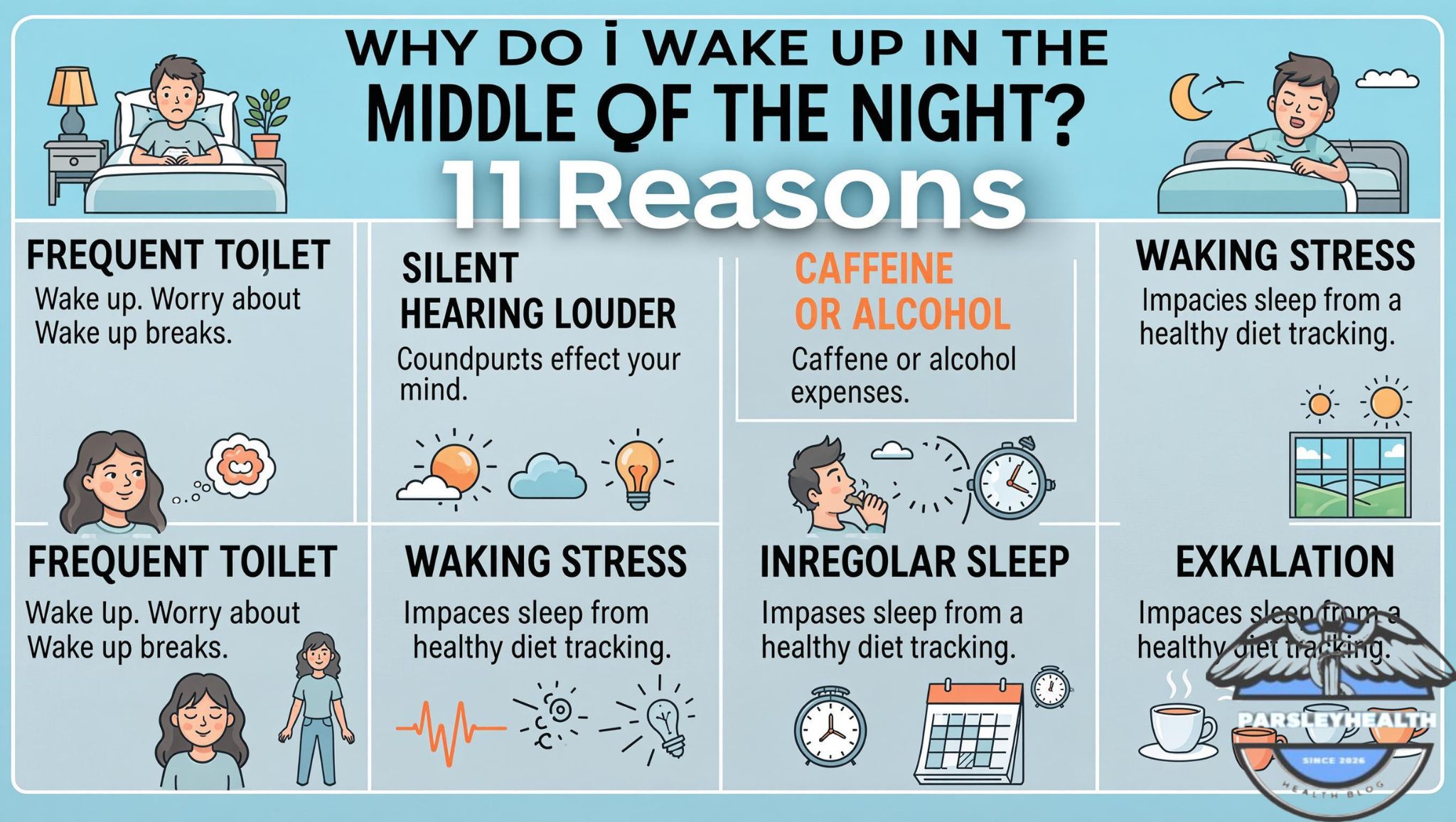
There is rarely one universal answer to why do i wake up in the middle of the night. Your body may be responding to something physical, emotional, environmental, or behavioral.
The causes below are among the most common, and more than one may apply at the same time.
Stress and a Racing Mind
Stress is one of the biggest sleep thieves. You may fall asleep because your body is tired, then wake later when your mind starts processing unfinished thoughts.
Bills, work pressure, relationship tension, health worries, family responsibilities, and even tomorrow’s to-do list can show up in the middle of the night. The room is quiet, distractions are gone, and suddenly your brain has the perfect stage.
Sleep Foundation notes that stress and anxiety are common contributors to insomnia and that racing thoughts can make it hard to unwind.
Common signs stress may be waking you include:
- Waking with a tight chest or tense jaw
- Thinking immediately about problems
- Feeling alert even though you are tired
- Checking the clock repeatedly
- Worrying about how little sleep you are getting
The more you panic about being awake, the more awake you may feel.
Anxiety Around Sleep
Sometimes the problem is not only anxiety during the day. It becomes anxiety about sleep itself.
You may start thinking, “What if I wake again tonight?” or “I have a big day tomorrow; I cannot afford this.” That pressure can make sleep feel like a performance. And the harder you try to force sleep, the more it slips away.
Johns Hopkins Medicine advises against watching the clock after waking at night because counting lost sleep can increase stress and delay the return to sleep.
A simple shift can help: instead of treating wakefulness as an emergency, remind yourself, “My body still knows how to rest. I do not have to solve this right now.”
Your Sleep Environment May Be Working Against You
Your bedroom may seem comfortable at bedtime but become disruptive later in the night. Small changes in temperature, light, sound, and bedding can wake the brain enough to interrupt sleep.
Temperature Changes
Many people sleep best in a cool room. If your bedroom gets too warm, your body may struggle to stay asleep. Heavy blankets, synthetic bedding, night sweats, warm weather, or poor airflow can all contribute.
On the other hand, being too cold can also wake you, especially in the early morning when body temperature naturally dips.
Noise and Light
A passing car, barking dog, loud neighbor, phone notification, hallway light, or sunrise leaking through curtains can pull you out of sleep. Even if you do not fully wake, repeated disturbances can make sleep feel shallow.
If you keep asking why do i wake up in the middle of the night, look around your room with fresh eyes. Is your phone lighting up? Is the room too bright? Is the fan noisy? Is your partner’s movement waking you?
Mattress, Pillow, and Bedding Discomfort
A mattress that is too firm, too soft, or sagging can create pressure points. The same goes for pillows that strain your neck or bedding that traps heat.
Discomfort may not stop you from falling asleep, but it can wake you once your body has stayed in one position for a while.
Alcohol, Caffeine, and Food Timing
What you consume during the day can follow you into the night.
Alcohol Before Bed
Alcohol may make you feel sleepy at first, but it can disturb sleep later. Many people wake around 2 a.m. or 3 a.m. after drinking in the evening because alcohol can fragment sleep and affect normal sleep stages.
It may also worsen snoring, reflux, dehydration, and bathroom trips.
Caffeine Too Late in the Day
Caffeine can stay active in the body for hours. Coffee, tea, energy drinks, cola, chocolate, pre-workout drinks, and some medications may all contain caffeine.
Some people can drink coffee after dinner and sleep fine. Others are sensitive enough that an afternoon cup affects the whole night.
Eating Too Much Too Close to Bed
A heavy meal before lying down can trigger indigestion, reflux, bloating, or discomfort. Spicy, acidic, greasy, or very large meals may be especially disruptive.
Mayo Clinic lists eating too much late in the evening and poor sleep habits among factors that can contribute to insomnia.
A light snack is fine for some people, especially if hunger wakes them, but a large meal close to bedtime often works against restful sleep.
Bathroom Trips and Nocturia
Waking up to pee once in a while is common. But frequent nighttime urination can break your sleep into pieces.
Cleveland Clinic defines nocturia as waking more than once during the night to urinate and notes that causes can include fluid intake, sleep disorders, and bladder issues.
Why You May Pee More at Night
Common reasons include:
- Drinking too much fluid close to bedtime
- Alcohol or caffeine intake
- Overactive bladder
- Urinary tract infection
- Pregnancy
- Diabetes or blood sugar issues
- Certain medications
- Sleep apnea
- Enlarged prostate in men
- Swelling in the legs that shifts fluid when lying down
Cleveland Clinic recommends limiting fluids two hours before bed and reducing alcohol and caffeine when nighttime urination is a problem.
If bathroom trips are new, frequent, painful, or paired with increased thirst, it is worth discussing with a clinician.
Hormones and Life Changes
Hormones can strongly affect sleep, especially during menstruation, pregnancy, postpartum recovery, perimenopause, and menopause.
Menstrual Cycle Changes
Some people sleep worse before their period due to changes in progesterone, body temperature, cramps, mood, headaches, or cravings. Night waking may happen more often during certain phases of the cycle.
Pregnancy
Pregnancy can bring bathroom trips, nausea, reflux, back pain, leg cramps, vivid dreams, and difficulty getting comfortable. Later in pregnancy, sleep may become more fragmented.
Perimenopause and Menopause
Hot flashes and night sweats can cause sudden awakenings. A person may wake drenched, overheated, anxious, or chilled afterward. Mood changes and increased stress sensitivity may add another layer.
When someone asks why do i wake up in the middle of the night during midlife, hormonal changes are often part of the conversation.
Pain, Reflux, and Physical Discomfort
Your body may wake you because something hurts or feels off.
Chronic Pain
Back pain, neck pain, arthritis, fibromyalgia, headaches, injuries, and nerve pain can all interrupt sleep. Pain may become more noticeable at night because there are fewer distractions.
Sometimes pain does not fully wake you, but it causes tossing, turning, and lighter sleep.
Acid Reflux
Reflux can worsen when lying down. Stomach acid may move upward and cause burning, coughing, throat clearing, chest discomfort, sour taste, or nausea.
Late meals, alcohol, spicy foods, chocolate, peppermint, and lying flat can make reflux worse for some people.
Restless Legs and Leg Cramps
Restless legs syndrome can create an uncomfortable urge to move the legs, especially in the evening or at night. Leg cramps can wake you suddenly with sharp pain.
If leg discomfort is frequent, intense, or affecting sleep, medical guidance can help identify possible causes.
Sleep Apnea and Breathing Problems
Sleep apnea is one of the most important causes to consider because it can affect both sleep quality and overall health.
Mayo Clinic lists unusual breathing patterns during sleep, including snoring, gasping, choking, or pauses in breathing, as symptoms that may occur with sleep disorders.
Signs Sleep Apnea May Be Waking You
Possible signs include:
- Loud snoring
- Waking up choking, gasping, or short of breath
- Morning headaches
- Dry mouth on waking
- Daytime sleepiness
- Trouble concentrating
- High blood pressure
- Waking often without knowing why
Not everyone with sleep apnea snores loudly, and not everyone who snores has sleep apnea. But if breathing symptoms are present, it is worth getting evaluated.
Why Sleep Apnea Causes Night Waking
With obstructive sleep apnea, the airway repeatedly narrows or closes during sleep. The brain briefly wakes the body to restore breathing. These awakenings may be so short you do not remember them, but they can leave you feeling exhausted.
If you keep wondering why do i wake up in the middle of the night and you also snore, gasp, or wake unrefreshed, this is an important possibility to rule out. You may read this: @latesthealthtrickscom: A Practical Guide to Better Health.
Medications and Supplements
Some medicines can affect sleep timing, alertness, bathroom trips, dreams, or breathing. Do not stop prescribed medication without medical advice, but do ask whether sleep disruption could be a side effect.
Medications that may affect sleep in some people include:
- Certain antidepressants
- Blood pressure medications
- Steroids
- Decongestants
- Stimulants
- Some asthma medications
- Diuretics
- Thyroid medication if dose timing or amount is off
- Some weight-loss products or energy supplements
Mayo Clinic recommends checking regular medications with a doctor if insomnia is a concern, including over-the-counter products that may contain caffeine or stimulants.
Screens and Late-Night Stimulation
Screens are not only a bedtime problem. They can also become a middle-of-the-night problem.
If you wake and check your phone, your brain receives light, information, and emotional stimulation. A quick glance can turn into messages, news, social media, work email, or time-checking.
The result? Your mind becomes more alert, and sleep feels farther away.
The Clock-Checking Trap
Clock-checking is one of the most common habits that keeps people awake. You wake up, check the time, calculate how many hours are left, panic, and then repeat.
The best fix is simple but not always easy: turn the clock away, keep the phone out of reach, and avoid measuring the night minute by minute.
Blood Sugar, Hunger, and Thirst
Some people wake because their body needs fuel, hydration, or better daytime nutrition.
Going to bed hungry can wake you, especially if you had a very early dinner, skipped meals, drank alcohol, or exercised hard. On the other hand, eating a high-sugar snack before bed may lead to energy swings that disturb sleep for some people.
A balanced evening meal with protein, fiber, and healthy fats can help. If you need a snack, choose something gentle rather than sugary or heavy.
Why You Wake Up at the Same Time Every Night
Waking at the same time can feel mysterious, but it often has a practical explanation.
Sleep follows cycles, and your body clock tends to run on patterns. If stress, alcohol, bathroom habits, temperature changes, or early morning light happen around the same time each night, your body may start repeating the pattern.
For example:
- 1–2 a.m. waking may follow alcohol, overheating, or stress
- 3–4 a.m. waking may happen with anxiety, blood sugar shifts, or sleep-cycle transitions
- 4–5 a.m. waking may connect with early light, depression, age-related sleep changes, or circadian rhythm shifts
The exact hour is less important than the pattern around it. What happened the evening before? What do you feel when you wake? What helps you fall back asleep?
What to Do When You Wake Up and Cannot Sleep
The goal is not to force sleep. The goal is to reduce pressure and give your body a quiet path back.
Stay Calm and Keep the Lights Low
Remind yourself that one awakening does not ruin the night. Keep the room dark and avoid bright light.
Try slow breathing, body relaxation, or a calming phrase. Sleep Foundation notes that slow, deep breathing may help activate the body’s relaxation response.
Do Not Scroll
Your phone is not neutral at 3 a.m. It is a flashlight, clock, entertainment device, work tool, and stress machine all in one.
Keep it away from the bed if possible.
Get Out of Bed Briefly if Needed
If you are wide awake and frustrated, lying there for a long time can teach your brain that bed is a place for worrying. A common approach is to get up briefly, sit somewhere dim and quiet, and do something boring or calming until sleepy.
Avoid chores, work, intense reading, emotional conversations, or anything that rewards wakefulness.
Try a Gentle Reset
Helpful options include:
- Slow breathing
- Progressive muscle relaxation
- Listening to quiet audio
- Reading something dull in low light
- A brief meditation
- Writing down a worry and one next step for tomorrow
Keep it boring. Boring is good at 3 a.m.
Daytime Habits That Help Nighttime Sleep
Night sleep is shaped by daytime choices. You do not need a perfect routine, but consistency helps your body know when to feel alert and when to wind down.
Wake Up at a Consistent Time
A steady wake time anchors your body clock. Even after a rough night, sleeping in for hours can make the next night harder.
Get Morning Light
Morning light helps signal daytime to the brain. Open curtains, step outside, or sit near a bright window early in the day.
Move Your Body
Regular movement can improve sleep pressure and reduce stress. It does not need to be intense. A walk counts.
Be Careful With Naps
Long or late naps can reduce your need for sleep at night. Mayo Clinic suggests limiting naps if they interfere with nighttime sleep and avoiding late-day naps.
Create a Wind-Down Routine
A good wind-down routine tells your nervous system, “We are safe. The day is ending.”
Try:
- Dimming lights
- Stretching
- Taking a warm shower
- Reading
- Journaling
- Preparing tomorrow’s clothes or bag
- Listening to calming music
- Avoiding work messages close to bed
When Night Waking May Need Medical Help
Occasional night waking is common. But frequent or worsening sleep disruption deserves attention, especially when it affects your daily life.
Consider speaking with a healthcare professional if:
- You wake up most nights for several weeks
- You cannot function well during the day
- You snore loudly or wake gasping
- You have morning headaches or severe daytime sleepiness
- You wake to urinate multiple times nightly
- You have chest pain, shortness of breath, or faintness
- You feel depressed, panicky, or hopeless
- You started a new medication and sleep changed
- Pain, reflux, or hot flashes are regularly waking you
Mayo Clinic notes that insomnia can make it hard to fall asleep, stay asleep, or both, even when someone has the chance for enough sleep.
If you are asking why do i wake up in the middle of the night night after night, your body may be asking for a deeper look.
Treatment Options for Ongoing Night Waking
Treatment depends on the cause. For some people, sleep habits and stress tools are enough. For others, an underlying condition needs care.
Cognitive Behavioral Therapy for Insomnia
Cognitive behavioral therapy for insomnia, often called CBT-I, is a structured approach that helps change patterns that keep insomnia going. It may include sleep scheduling, relaxation, stimulus control, and changing anxious thoughts about sleep.
Many sleep experts consider CBT-I a first-line treatment for chronic insomnia because it addresses the habits and thought patterns that fuel long-term sleep problems.
Medical Evaluation
A clinician may ask about sleep timing, medications, mood, caffeine, alcohol, snoring, bathroom trips, pain, and other symptoms. They may recommend lab tests, a sleep study, medication review, or treatment for conditions such as reflux, sleep apnea, restless legs, depression, anxiety, or nocturia.
Sleep Medication
Sleep medicine may be appropriate in some situations, but it is not usually the whole answer. Mayo Clinic notes that prescription sleeping pills may help with sleep but generally should not be the only treatment.
Always use sleep medication under medical guidance, especially if you have breathing problems, take other sedating medicines, drink alcohol, are pregnant, or are older.
Small Changes to Try This Week
If the problem is mild or recent, start with simple adjustments. You do not have to change everything at once.
Try this seven-day reset:
- Wake at the same time every day.
- Get morning light within an hour of waking.
- Stop caffeine at least 8 hours before bed.
- Avoid alcohol close to bedtime.
- Finish large meals 2–3 hours before lying down.
- Keep the bedroom cool, dark, and quiet.
- Move your phone away from the bed.
- Turn the clock away.
- Use a calming routine for 20–30 minutes before sleep.
- If you wake, keep lights low and avoid scrolling.
Track what happens without obsessing. A simple note like “woke at 3:10, felt hot, had wine with dinner” can reveal patterns quickly.
FAQ
Is it normal to wake up in the middle of the night?
Yes, brief awakenings can be normal. The problem is when you wake often, stay awake for long periods, or feel tired and impaired the next day.
why do i wake up in the middle of the night at the same time?
You may be waking at the same time because of your sleep cycles, stress patterns, alcohol, bathroom habits, temperature changes, early morning light, or a learned body-clock rhythm.
Can stress make me wake up at 3 a.m.?
Yes. Stress can raise alertness and make the brain more likely to wake during lighter stages of sleep. It can also make it harder to fall back asleep once awake.
Why do I wake up after drinking alcohol?
Alcohol can make you sleepy at first but disrupt sleep later in the night. It may also increase bathroom trips, dehydration, reflux, snoring, and fragmented sleep.
Can waking up at night be a sign of sleep apnea?
Yes. Sleep apnea can cause repeated awakenings, often with snoring, gasping, choking, dry mouth, morning headaches, or daytime sleepiness. A sleep evaluation can help confirm it.
Should I stay in bed if I cannot fall back asleep?
If you are calm and drowsy, staying in bed is fine. If you are wide awake and frustrated, getting up briefly for a quiet, low-light activity may help reset the association between bed and sleep.
Does melatonin help with waking up in the middle of the night?
Melatonin may help some circadian rhythm issues, but it does not solve every type of night waking. The right approach depends on the cause, dose, timing, and your health situation.
When should I see a doctor for night waking?
See a doctor if night waking lasts several weeks, affects daytime function, or comes with snoring, gasping, pain, frequent urination, mood changes, medication changes, or other concerning symptoms.
Conclusion
If you keep wondering why do i wake up in the middle of the night, the answer may be simpler than it feels at 3 a.m. Your sleep could be reacting to stress, temperature, alcohol, caffeine, bathroom trips, pain, hormones, breathing changes, or habits that accidentally train your brain to wake.
Start by noticing patterns instead of blaming yourself. What time do you wake? What do you feel? What happened that evening? What makes it better or worse?
A few steady changes can make a real difference: protect your bedroom environment, reduce nighttime stimulation, keep a consistent wake time, manage caffeine and alcohol, and avoid turning wakefulness into a crisis. And if the problem continues, medical support can help uncover causes that are not obvious on your own.
Sleep does not have to be perfect to be restorative. With the right clues and a calmer plan, your nights can become easier again.