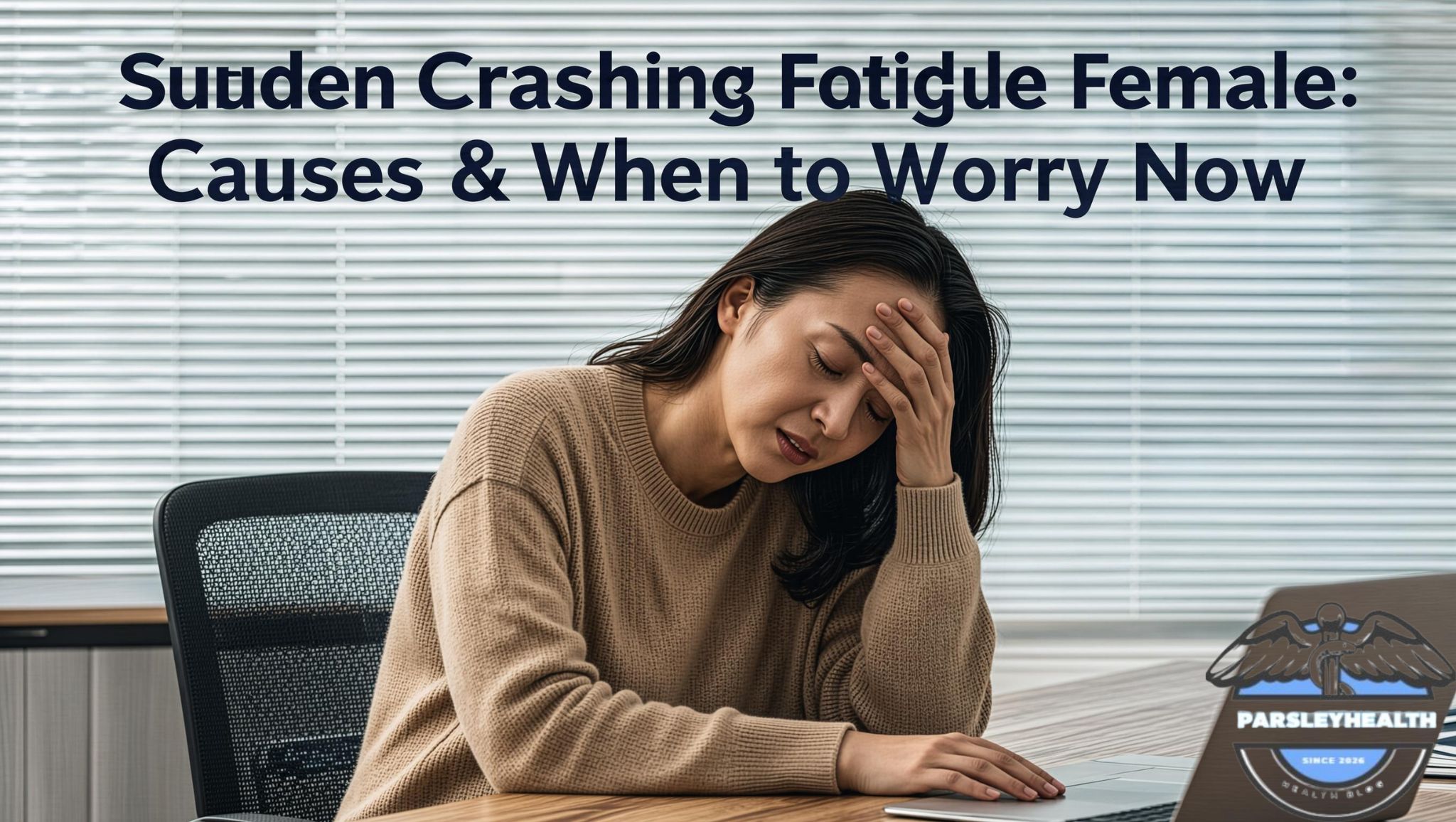
It can feel like someone unplugged you from the wall. One moment you are functioning, and the next your body feels heavy, your brain slows down, and even simple tasks seem impossible.
If you have searched for sudden crashing fatigue female, you are probably trying to understand why your energy drops so sharply and whether it is normal. The answer depends on the pattern, your age, your menstrual cycle, your sleep, your stress load, and whether other symptoms show up at the same time.
Fatigue is common, but “crashing” fatigue is different from ordinary tiredness. It can interrupt work, parenting, relationships, exercise, driving, and daily confidence. More importantly, sudden fatigue can sometimes be your body’s early signal that something needs attention.
This guide walks through the most common causes in women, the warning signs you should not ignore, and the practical steps that can help you start feeling more steady again.
![Image: A tired woman sitting on the edge of a bed in soft morning light, holding a cup of water, calm and realistic health article style.]
What Does Sudden Crashing Fatigue Mean?
Sudden crashing fatigue is an intense, abrupt wave of exhaustion that feels out of proportion to what you have been doing. It may feel like your body has shut down, your muscles are weak, your eyes are heavy, or your brain cannot focus.
This is not the same as feeling sleepy after a long day. A fatigue crash can happen in the morning, after a meal, before your period, during perimenopause, after emotional stress, after exercise, or even when you technically slept enough.
Mayo Clinic notes that fatigue can be related to lifestyle factors, medicines, depression, or illnesses that need treatment. In other words, fatigue is not a diagnosis by itself; it is a symptom with many possible roots.
How It Can Feel in Real Life
Many women describe it as:
- A sudden need to lie down
- Heavy arms, legs, or eyelids
- Brain fog or trouble finding words
- Feeling shaky, weak, or lightheaded
- A sense of “hitting a wall”
- Low motivation that feels physical, not lazy
- Feeling drained after a normal task
- Needing caffeine or sugar just to keep going
The key clue is intensity. Ordinary tiredness usually improves with rest. Crashing fatigue may feel overwhelming, recurring, or confusingly severe.
Sudden Crashing Fatigue Female: Why It Happens
The phrase sudden crashing fatigue female often points to a combination of biology and life load. Women can experience fatigue from the same causes as anyone else, but menstrual bleeding, pregnancy, postpartum recovery, perimenopause, menopause, hormone fluctuations, iron levels, thyroid conditions, and caregiving stress can all add extra layers.
That does not mean fatigue should be brushed off as “just hormones.” Hormones matter, but so do blood sugar, sleep quality, heart health, mental health, inflammation, nutrition, medication effects, and underlying medical conditions.
A useful way to think about fatigue is to ask: is my body low on fuel, low on oxygen, low on recovery, under stress, fighting something, or being disrupted by hormones?
Iron Deficiency and Anemia
Iron deficiency is one of the most common and overlooked reasons women feel wiped out. Iron helps your body make hemoglobin, the protein in red blood cells that carries oxygen. When iron is low, your muscles and brain may not get the oxygen support they need.
Cleveland Clinic describes fatigue as the most noticeable symptom of anemia and lists other symptoms such as dizziness, headache, heart palpitations, chest pain, shortness of breath, and pale skin.
Why Women Are at Higher Risk
Women who menstruate may lose iron through monthly bleeding. Risk can be higher with heavy periods, short cycles, fibroids, endometriosis, pregnancy, postpartum bleeding, low iron intake, vegetarian or vegan diets without planning, digestive issues, or poor absorption.
You do not have to be visibly pale to have low iron. Some people have normal hemoglobin but low ferritin, which reflects iron stores. That is one reason symptoms can be missed if testing is incomplete. You may read this: Seed Cycling Guide: Benefits, Risks and How to Start Safely.
Signs Low Iron May Be Part of the Crash
Possible clues include:
- Heavy periods or clotting
- Shortness of breath with normal activity
- Dizziness when standing
- Fast heartbeat or palpitations
- Headaches
- Cold hands or feet
- Hair shedding
- Restless legs
- Craving ice or unusual non-food items
If sudden crashing fatigue female symptoms show up around your period or after months of heavy bleeding, iron deficiency is worth discussing with a clinician.
Thyroid Problems
Your thyroid helps regulate metabolism, body temperature, digestion, heart rate, and energy. When it is underactive, everything can feel slowed down.
Mayo Clinic notes that hypothyroidism can begin with subtle symptoms such as fatigue and weight gain, and the symptoms may become more obvious as metabolism slows.
Symptoms That May Point to Hypothyroidism
An underactive thyroid may cause:
- Fatigue or sluggishness
- Weight gain or difficulty losing weight
- Feeling cold often
- Dry skin
- Constipation
- Hair thinning
- Heavy or irregular periods
- Low mood
- Puffy face
- Muscle weakness or aches
- Slower heart rate
Cleveland Clinic also explains that hypothyroidism happens when the thyroid does not make enough hormone, slowing metabolism and potentially causing tiredness and unexpected weight gain.
Thyroid symptoms can overlap with perimenopause, depression, anemia, and burnout. A blood test is usually needed to sort it out.
Blood Sugar Swings
Energy crashes can happen when blood sugar rises and falls sharply. This may occur after skipping meals, eating mostly refined carbohydrates, drinking sweet coffee drinks, going too long without protein, or pushing through a busy day without enough food.
A blood sugar dip can feel dramatic. You may become shaky, sweaty, irritable, anxious, hungry, weak, or suddenly sleepy.
Common Patterns
Blood sugar-related fatigue may show up:
- Midmorning after a sweet breakfast
- Midafternoon after a carb-heavy lunch
- After skipping breakfast
- After intense exercise without refueling
- During PMS cravings
- After poor sleep
- With diabetes, insulin resistance, or reactive hypoglycemia
A balanced meal with protein, fiber, healthy fats, and slow-digesting carbohydrates can help some women feel more stable. If crashes are frequent, severe, or paired with excessive thirst, frequent urination, blurred vision, or unexplained weight changes, medical testing is important.
![Image: Balanced meal with eggs, greens, whole grains, fruit, and water on a kitchen table, natural wellness style.]
Hormonal Fluctuations
Hormones influence sleep, temperature, mood, appetite, fluid balance, and how your body responds to stress. That is why fatigue may cluster around certain life stages or cycle phases.
PMS and PMDD
In the days before a period, estrogen and progesterone shifts can affect sleep, mood, cravings, and energy. Some women feel mildly tired; others feel as if they have been knocked flat.
Premenstrual dysphoric disorder, or PMDD, can cause more severe emotional and physical symptoms, including exhaustion, depression, anxiety, irritability, and trouble functioning.
Perimenopause
Perimenopause can begin years before periods stop. Estrogen and progesterone may fluctuate unpredictably, and sleep can become lighter or more interrupted.
Mayo Clinic Health System notes that women often develop irregular periods, hot flashes, night sweats, mood swings, and fatigue as estrogen production declines during the menopause transition.
Night sweats can be especially draining because they fragment sleep. You may not remember waking fully, but your body still loses restorative rest.
Pregnancy and Postpartum
Pregnancy can bring deep fatigue, especially in the first trimester. Your body is building the placenta, blood volume is changing, and hormones rise quickly.
Postpartum fatigue can come from interrupted sleep, blood loss, iron deficiency, breastfeeding demands, emotional stress, thyroid changes, and recovery from birth. If fatigue feels extreme or comes with sadness, anxiety, rage, hopelessness, or intrusive thoughts, support matters.
Poor Sleep Quality
You can spend eight hours in bed and still wake up exhausted if your sleep is fragmented or shallow.
The NHS lists common causes of tiredness and fatigue and recommends habits such as a healthy diet, regular exercise, consistent sleep times, and a relaxing sleep environment.
Signs Your Sleep Is Not Restoring You
Look for these clues:
- Waking often during the night
- Snoring or gasping
- Morning headaches
- Dry mouth on waking
- Waking too early and unable to return to sleep
- Restless legs
- Night sweats
- Vivid stress dreams
- Feeling worse after alcohol
- Needing multiple alarms
Sleep is not just about duration. Timing, depth, breathing, light exposure, stress, and nighttime temperature all matter.
Sleep Apnea in Women
Sleep apnea is often thought of as a men’s health issue, but women can absolutely have it. It may be missed because symptoms in women can be less stereotypical.
Instead of only loud snoring, women may report insomnia, morning headaches, mood changes, fatigue, brain fog, or waking unrefreshed. Risk can rise during pregnancy, perimenopause, menopause, and with weight gain, nasal obstruction, or family history.
If you wake gasping, snore loudly, feel sleepy while driving, or wake exhausted despite enough time in bed, ask about a sleep evaluation.
Stress, Burnout, and Nervous System Overload
Stress can create real physical fatigue. When your body stays in high-alert mode for too long, energy regulation becomes messy. You may feel wired at night and depleted during the day.
Burnout is not just being busy. It is prolonged emotional, mental, and physical depletion. It can come from work, caregiving, financial pressure, relationship strain, chronic illness, grief, parenting, or constantly being responsible for everyone else.
How Burnout Fatigue Feels
Burnout-related fatigue may include:
- Waking tired
- Feeling emotionally numb
- Losing interest in things you normally enjoy
- Feeling resentful or overwhelmed
- Getting sick more often
- Trouble concentrating
- Feeling better only when completely away from responsibilities
- Crashing after social interaction or work demands
This is one reason sudden crashing fatigue female can be misunderstood. The crash may seem sudden, but the buildup may have been happening quietly for months.
Depression and Anxiety
Mental health and physical energy are deeply connected. Depression can feel like heavy-body fatigue, not just sadness. Anxiety can drain energy through muscle tension, poor sleep, racing thoughts, appetite changes, and constant adrenaline.
Fatigue related to depression or anxiety is still real fatigue. It deserves care, not judgment.
Signs Mood May Be Involved
Consider mental health support if fatigue comes with:
- Loss of pleasure
- Persistent sadness or emptiness
- Panic symptoms
- Excessive worry
- Social withdrawal
- Changes in appetite
- Sleeping too much or too little
- Feeling worthless
- Thoughts of self-harm
If you feel unsafe or might harm yourself, seek emergency help immediately.
Dehydration and Electrolyte Imbalance
Even mild dehydration can make you feel weak, dizzy, headachy, and foggy. This can happen after sweating, exercise, vomiting, diarrhea, alcohol, breastfeeding, hot weather, or simply forgetting to drink enough during a busy day.
Electrolytes such as sodium, potassium, and magnesium help with muscle and nerve function. Imbalances can contribute to weakness, cramps, palpitations, or lightheadedness.
A practical clue: if your fatigue arrives with thirst, dark urine, dry mouth, headache, or dizziness when standing, hydration may be part of the picture.
Vitamin B12, Vitamin D, and Nutrient Gaps
Nutrients help your body make energy, maintain nerves, support muscles, and regulate mood. Low levels can leave you feeling deeply tired.
Vitamin B12
B12 deficiency can cause fatigue, weakness, numbness or tingling, balance issues, memory problems, mood changes, and tongue soreness. Risk may be higher in vegans, vegetarians, older adults, people with digestive disorders, and those taking certain acid-reducing medicines or metformin.
Vitamin D
Low vitamin D may be linked with muscle aches, low mood, weakness, and fatigue. It is more common in people with limited sun exposure, darker skin, covering clothing, certain digestive conditions, or low dietary intake.
Magnesium and Other Nutrients
Low magnesium, folate, protein, or overall calorie intake can also affect energy. This does not mean you need a cabinet full of supplements. It means persistent fatigue deserves a thoughtful look at diet, absorption, and lab work when appropriate.
Medication Side Effects
Some medications can cause fatigue, sleepiness, dizziness, or weakness. Others affect sleep, blood pressure, hydration, blood sugar, or mood.
Possible contributors include:
- Antihistamines
- Blood pressure medicines
- Some antidepressants
- Anti-anxiety medicines
- Muscle relaxers
- Pain medicines
- Sleep aids
- Some migraine medicines
- Diuretics
- Certain hormonal medications
- Some allergy or cold medicines
Do not stop prescribed medication suddenly. Instead, ask your clinician whether timing, dosage, alternatives, or interactions could be contributing.
Infections and Post-Viral Fatigue
Your body can crash when it is fighting an infection, even before obvious symptoms appear. A sudden wave of fatigue may show up before a sore throat, fever, cough, urinary symptoms, or stomach upset.
Some people also experience lingering fatigue after viral infections. Recovery can be slower than expected, especially after flu, COVID-19, mononucleosis, or other significant infections.
If fatigue comes with fever, swollen glands, body aches, chest symptoms, urinary pain, or worsening weakness, it is worth getting checked.
Chronic Fatigue Syndrome and Post-Exertional Malaise
Myalgic encephalomyelitis/chronic fatigue syndrome, often shortened to ME/CFS, is a complex condition involving profound fatigue, unrefreshing sleep, cognitive problems, and worsening symptoms after exertion.
The crash after activity is called post-exertional malaise. It may happen after exercise, errands, social events, emotional stress, or even basic tasks. The crash can last hours, days, or longer.
This is not ordinary tiredness. If pushing through consistently makes you worse, pacing and medical support are important.
![Image: Infographic showing possible causes of female fatigue crashes: iron, thyroid, hormones, sleep, blood sugar, stress, infection, hydration, heart warning signs.]
Heart-Related Warning Signs
Most fatigue is not a heart attack. But sudden, unusual fatigue in women can sometimes be a warning sign, especially when paired with other symptoms.
The American Heart Association states that women may experience heart attack symptoms beyond chest discomfort, including shortness of breath, nausea, vomiting, upset stomach, pain in the shoulder, back or arm, and unusual tiredness or weakness.
The CDC also lists extreme fatigue, dizziness, shortness of breath, nausea or vomiting, heartburn, upper back or neck pain, and chest discomfort among possible heart attack symptoms in women.
Get Urgent Help If Fatigue Comes With
- Chest pain, pressure, squeezing, or heaviness
- Shortness of breath
- Pain in the jaw, neck, back, shoulder, or arm
- Cold sweat
- Nausea or vomiting
- Fainting or near-fainting
- New confusion
- Blue lips
- Severe weakness on one side
- Sudden severe headache
- Heart palpitations with dizziness or chest discomfort
If something feels seriously wrong, do not wait it out.
Sudden Crashing Fatigue Female After Eating
A fatigue crash after meals can happen for several reasons. A large meal pulls blood flow toward digestion. A high-sugar or refined-carb meal may lead to a blood sugar spike and dip. Food intolerance, dehydration, alcohol, or poor sleep can make the effect stronger.
Common Food-Related Triggers
You may notice crashes after:
- Sweet breakfast foods
- White bread, pasta, or pastries
- Large lunches
- Alcohol with meals
- Very high-fat meals
- Skipping meals and then overeating
- Not enough protein
- Not enough fluids
Try observing patterns without becoming overly restrictive. If symptoms are severe or include sweating, trembling, faintness, or confusion, talk to a medical professional.
Sudden Crashing Fatigue Female Before Period
For some women, the premenstrual phase brings a predictable energy crash. Hormonal shifts can affect serotonin, sleep, appetite, inflammation, and fluid retention.
Fatigue may feel worse if you also have heavy bleeding, cramps, migraines, poor sleep, low iron, PMDD, endometriosis, or fibroids.
What May Help
Supportive steps include:
- Eating regular protein-rich meals
- Reducing alcohol before your period
- Getting enough iron-rich foods
- Tracking cycle symptoms
- Prioritizing sleep during the luteal phase
- Using heat, movement, or medical treatment for cramps
- Asking about heavy bleeding or severe PMS symptoms
If your fatigue before your period is disabling, it is not something you simply have to tolerate.
Sudden Crashing Fatigue Female During Perimenopause
Perimenopause can make energy feel unpredictable. One month may be fine; the next may bring night sweats, insomnia, anxiety, heavy bleeding, migraines, or sudden exhaustion.
This stage can also overlap with thyroid changes, iron deficiency, caregiving stress, and career pressure, which makes the cause harder to identify.
If symptoms are affecting quality of life, ask about options. Treatment may include lifestyle changes, managing heavy periods, sleep support, hormone therapy for eligible patients, non-hormonal medications, or evaluation for other conditions.
What to Track Before Seeing a Doctor
A symptom diary can make your appointment more useful. You do not need a perfect spreadsheet. A few notes can reveal patterns.
Track:
- Time of fatigue crash
- What you ate and drank
- Sleep duration and quality
- Menstrual cycle day
- Bleeding heaviness
- Stress level
- Exercise or exertion
- Medications and supplements
- Heart rate, if available
- Dizziness, pain, palpitations, or shortness of breath
- Whether rest helped
Bring the pattern, not just the complaint. “I crash every day around 3 p.m. after lunch” is more useful than “I’m tired.”
Tests a Clinician May Consider
Testing depends on your symptoms, history, age, medications, and exam. Common checks may include:
- Complete blood count
- Ferritin and iron studies
- Thyroid-stimulating hormone and thyroid hormones
- Vitamin B12
- Vitamin D
- Blood glucose or A1C
- Electrolytes
- Kidney and liver function
- Inflammatory markers
- Pregnancy test, when relevant
- Urinalysis
- Sleep study, if sleep apnea is suspected
- ECG or heart evaluation, if symptoms suggest it
Mayo Clinic notes that hypothyroidism diagnosis is usually based on blood tests because symptoms can vary and resemble other health problems.
What You Can Do Today
While you are sorting out the cause, gentle stabilizing habits can help reduce crashes.
Eat for Steadier Energy
Aim for meals that include protein, fiber, and healthy fats. For example:
- Eggs with whole-grain toast and fruit
- Greek yogurt with nuts and berries
- Lentil soup with vegetables
- Chicken, tofu, or beans with rice and salad
- Oatmeal with nut butter and seeds
Avoid relying only on caffeine and sugar. They may help briefly but often worsen the next crash.
Hydrate Earlier in the Day
Drink water consistently, especially in the morning and early afternoon. If you sweat heavily, have diarrhea, exercise, or live in a hot climate, you may need more fluids and electrolytes.
Protect Sleep Like Medicine
Keep a regular wake time, reduce late caffeine, avoid alcohol close to bed, cool the bedroom, and dim lights in the evening. If night sweats, snoring, pain, or insomnia keep interrupting sleep, treat that as part of the fatigue problem.
Move Gently
Movement can improve energy for many people, but it should match your capacity. If exercise makes you feel better, build gradually. If it causes a crash that lasts into the next day, slow down and ask about post-exertional malaise.
Reduce the Load Where Possible
Fatigue often worsens when every part of life demands output. Delegate, simplify meals, reduce unnecessary commitments, and build recovery time into the day. Rest is not failure; it is maintenance.
What Not to Do
Do not ignore severe or sudden symptoms because you are busy. Women are often conditioned to push through exhaustion, but your body may be giving you useful information.
Avoid starting high-dose supplements without testing, especially iron. Too much iron can be harmful, and fatigue has many possible causes.
Do not assume all fatigue is hormonal, emotional, or age-related. Those may be factors, but treatable medical issues like anemia, thyroid disease, diabetes, sleep apnea, infection, and heart problems should be considered.
When to Seek Medical Care
Book a medical appointment if fatigue is new, recurring, worsening, interfering with daily life, or not improving with rest and basic changes.
Seek prompt care if sudden crashing fatigue female symptoms are paired with heavy bleeding, fainting, shortness of breath, chest discomfort, severe dizziness, rapid heartbeat, fever, unexplained weight loss, black stools, or neurological symptoms.
Emergency care is appropriate if fatigue comes with chest pressure, trouble breathing, one-sided weakness, confusion, fainting, or severe sudden pain.
FAQ
What causes sudden crashing fatigue in women?
Common causes include low iron, anemia, thyroid problems, blood sugar swings, poor sleep, stress, hormone changes, infections, dehydration, medication side effects, and sleep apnea. Sometimes more than one cause is involved.
Is sudden crashing fatigue female a menopause symptom?
It can be. Perimenopause and menopause may cause fatigue through night sweats, insomnia, mood changes, hormone fluctuations, and heavier or irregular bleeding. However, thyroid disease, anemia, and sleep apnea can look similar, so testing may be needed.
Can low iron cause sudden fatigue crashes?
Yes. Low iron or anemia can reduce oxygen delivery to tissues, causing fatigue, weakness, dizziness, shortness of breath, palpitations, headaches, and poor exercise tolerance.
Why do I suddenly feel exhausted after eating?
Post-meal fatigue may come from blood sugar swings, large meals, refined carbohydrates, alcohol, dehydration, poor sleep, or underlying blood sugar problems. Frequent or severe episodes should be discussed with a clinician.
Can anxiety cause a fatigue crash?
Yes. Anxiety can keep the nervous system on high alert, disrupt sleep, tense muscles, affect breathing, and drain energy. The fatigue is physical, not imaginary.
When should I worry about sudden fatigue?
Worry if fatigue is severe, new, recurring, worsening, or paired with chest pain, shortness of breath, fainting, fever, heavy bleeding, confusion, one-sided weakness, or unexplained weight loss.
What blood tests are useful for female fatigue?
Common tests include complete blood count, ferritin, iron studies, thyroid tests, vitamin B12, vitamin D, blood glucose or A1C, electrolytes, kidney and liver function, and pregnancy testing when relevant.
Can dehydration make fatigue feel sudden?
Yes. Dehydration can cause sudden weakness, dizziness, headache, dry mouth, dark urine, rapid heartbeat, and brain fog, especially after sweating, illness, alcohol, or poor fluid intake.
Should I take iron if I feel exhausted?
Do not start high-dose iron unless a clinician recommends it or testing shows a need. Too much iron can be harmful, and fatigue can have many causes.
Conclusion
Sudden crashing fatigue female symptoms can feel frightening because they are so abrupt and disruptive. But fatigue is also information. It may be pointing toward low iron, thyroid imbalance, hormone shifts, sleep disruption, stress overload, blood sugar swings, dehydration, infection, medication effects, or something that needs more urgent attention.
Start by noticing your pattern. Does the crash happen before your period, after meals, after poor sleep, during perimenopause, after exercise, or during emotional stress? Are there clues like heavy bleeding, dizziness, palpitations, snoring, night sweats, pain, fever, or shortness of breath?
You do not have to guess forever or push through until you collapse. Support your body with steady meals, hydration, sleep protection, gentle movement, and real rest. And if the fatigue is persistent, severe, or paired with warning signs, get medical help. The right answer can turn a confusing crash into a treatable problem.