Getting an MTHFR result can feel like opening a health mystery you did not know you had. Suddenly, you may wonder whether one gene explains your fatigue, anxiety, miscarriage history, migraines, blood clots, or trouble tolerating supplements.
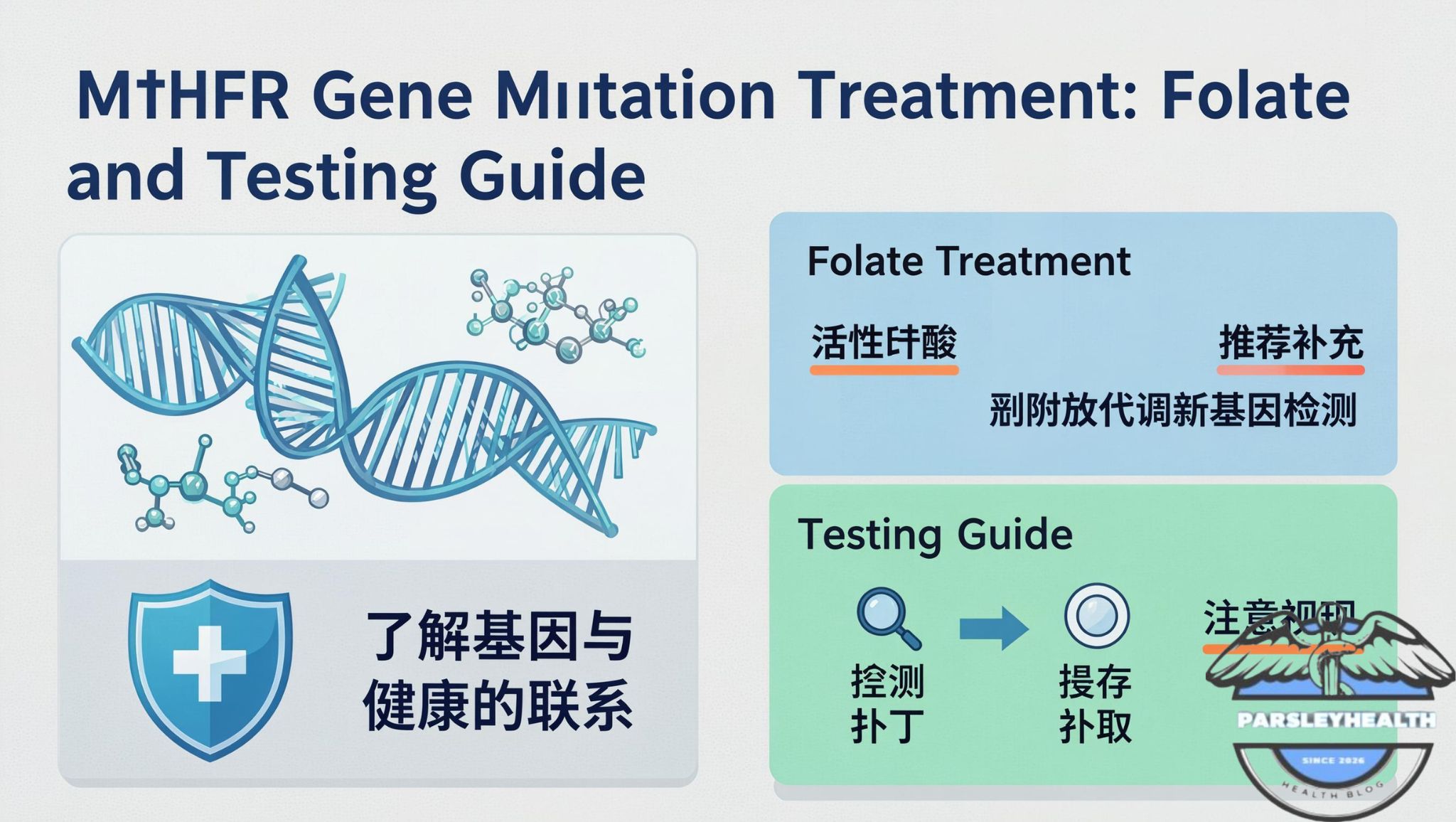
If you are looking for mthfr gene mutation treatment, the first thing to know is reassuring: common MTHFR variants usually do not need treatment by themselves. What may need attention is what the variant is associated with in some people, such as high homocysteine, low folate, low vitamin B12, pregnancy folic acid needs, or rare severe inherited enzyme problems.
That difference matters. Treating a lab problem or deficiency is very different from treating a common genetic variant as if it were a disease.
This guide explains what MTHFR treatment really means, when folate or B vitamins may help, why folic acid is still recommended for pregnancy prevention, which tests are more useful than the gene result alone, and when to work with a clinician instead of guessing with supplements.
What Is MTHFR?
MTHFR is a gene that helps your body make an enzyme called methylenetetrahydrofolate reductase. This enzyme plays a role in processing folate, also known as vitamin B9, and helping convert homocysteine into other compounds your body needs.
Folate is important for DNA production, red blood cell formation, cell growth, pregnancy development, and nervous system health. The CDC explains that people with MTHFR variants can process all types of folate, including folic acid, and that folic acid intake matters more for blood folate levels than MTHFR variant status.
The two common variants people usually mean are C677T and A1298C. These are widespread DNA differences, not rare diseases in most cases.
Variant vs Mutation
Online, people often say “MTHFR mutation.” In many everyday discussions, they are referring to common variants.
A mutation sounds frightening, but common variants are often found in healthy people. Cleveland Clinic notes that MTHFR gene variants are common and that experts estimate up to 50% of people have changes to at least one MTHFR gene.
That is why a result should be interpreted carefully. Having a variant does not automatically mean you need special treatment.
What MTHFR Gene Mutation Treatment Really Means
The phrase mthfr gene mutation treatment can be misleading because common variants themselves are usually not treated. Instead, clinicians treat related, measurable issues when they are present.
The most relevant issues are usually:
- High homocysteine
- Folate deficiency
- Vitamin B12 deficiency
- Vitamin B6 deficiency
- Pregnancy or preconception folic acid needs
- Rare severe MTHFR deficiency or homocystinuria
- Other conditions that raise homocysteine, such as kidney disease or hypothyroidism
MedlinePlus states that medical experts do not recommend testing for common MTHFR gene changes in most cases, though a provider may consider testing when homocysteine is high and there is relevant personal or family history.
So the practical question is not, “How do I fix my MTHFR?” The better question is, “Do I have high homocysteine, low folate, low B12, pregnancy needs, or symptoms that require evaluation?”
Why Homocysteine Is Often the Main Clue
Homocysteine is an amino acid in the blood. Your body uses folate, vitamin B12, and vitamin B6 to help process it. When this process is not working well, homocysteine may rise.
MedlinePlus explains that a homocysteine test may be used when someone is at risk for low vitamin B12 or folic acid, or has symptoms suggesting a deficiency. Cleveland Clinic also explains that vitamins B12, B6, and folate help break down homocysteine, and high homocysteine may indicate a vitamin deficiency.
Why a Normal Homocysteine Result Is Reassuring
If homocysteine is normal, a common MTHFR variant usually does not require special action. You may still need routine nutrition, pregnancy folic acid, or care for unrelated symptoms, but the MTHFR result alone often does not change management.
What Can Raise Homocysteine?
High homocysteine may be linked with:
- Low folate
- Low vitamin B12
- Low vitamin B6
- Kidney disease
- Hypothyroidism
- Smoking
- Heavy alcohol use
- Some medications
- Poor nutrition
- Malabsorption
- Rare inherited conditions
This is why mthfr gene mutation treatment should usually start with checking the right labs, not buying a large stack of methylation supplements.
Tests to Consider Before Treatment
A thoughtful workup can prevent over-supplementing and missing the real issue.
Homocysteine
This test shows whether the pathway is actually affected. High homocysteine may point toward B vitamin deficiency, kidney function issues, thyroid disease, medication effects, or rarer metabolic conditions.
Vitamin B12
B12 deficiency can cause fatigue, weakness, numbness, tingling, balance problems, memory changes, mood symptoms, anemia, and elevated homocysteine. It should be checked before taking high-dose folate, because folate can sometimes improve anemia while neurological B12 problems continue.
Folate
Folate testing may help identify deficiency, especially in people with poor intake, alcohol use disorder, pregnancy, malabsorption, or certain medication exposures.
Complete Blood Count
A CBC can help detect anemia or enlarged red blood cells, which may be seen with folate or B12 deficiency.
Methylmalonic Acid
Methylmalonic acid can help clarify B12 status, especially when B12 results are borderline.
Thyroid and Kidney Function
Hypothyroidism and kidney disease can contribute to elevated homocysteine and symptoms that may be blamed on MTHFR. These conditions need their own treatment.
Medication Review
Some medications may affect folate, B12, or homocysteine pathways. A pharmacist or clinician can review whether your medicines matter in your case.
MTHFR Gene Mutation Treatment for High Homocysteine
When homocysteine is high, treatment usually focuses on finding and correcting the cause. The plan may involve folate, B12, B6, lifestyle changes, and management of underlying conditions.
Folate Support
Folate may come from food, folic acid, folinic acid, or methylfolate. The best form depends on your situation, pregnancy status, lab results, tolerance, and clinician preference.
Vitamin B12 Support
If B12 is low, treatment may involve oral, sublingual, or injectable B12. The form and dose depend on whether the problem is low intake, poor absorption, pernicious anemia, digestive disease, or medication-related deficiency.
Vitamin B6 Support
Vitamin B6 is involved in homocysteine metabolism. It may be part of a treatment plan, but high doses can be harmful over time, so it should not be megadosed casually.
Treating Other Causes
If kidney disease, thyroid disease, smoking, alcohol use, or medication effects are contributing, those factors need attention too.
This is where personalized care matters. The same homocysteine number may have different causes in different people.
Folic Acid, Folate, and Methylfolate
One of the biggest MTHFR myths is that people with MTHFR variants cannot use folic acid. The CDC directly states that this is not true: people with an MTHFR variant can process all types of folate, including folic acid.
Folic Acid
Folic acid is the synthetic form of vitamin B9 used in fortified foods and many supplements. It is also the form with the strongest evidence for preventing neural tube defects.
Food Folate
Food folate is naturally found in leafy greens, beans, lentils, asparagus, avocado, citrus fruits, and other plant foods.
Methylfolate
Methylfolate, also called 5-MTHF or L-methylfolate, is an active form used in some supplements. Some people tolerate it well. Others feel anxious, restless, headachy, or overstimulated, especially at higher doses.
Which Form Is Best?
There is no one-size-fits-all answer. For pregnancy prevention, folic acid remains the public health standard. For people with high homocysteine or deficiency, the right form should be based on labs, symptoms, tolerance, and medical guidance. You may read this: How to Take Creatine for Women Safely and Effectively.
MTHFR Gene Mutation Treatment and Pregnancy
Pregnancy is one of the most important areas where MTHFR misinformation can cause anxiety. Folate is essential before and during early pregnancy because it helps prevent neural tube defects.
The CDC recommends that anyone who could become pregnant get 400 micrograms of folic acid daily, even if they have an MTHFR variant. The CDC also states that folic acid is the only type of folate shown to help prevent neural tube defects.
Should You Switch From Folic Acid to Methylfolate?
Not automatically. Some prenatal vitamins contain methylfolate, and some people use them successfully. But folic acid has the clearest evidence for neural tube defect prevention.
If you are pregnant, trying to conceive, have had a prior neural tube defect-affected pregnancy, take anti-seizure medication, have diabetes, or have other high-risk factors, ask your clinician what folate dose and form are appropriate.
MTHFR and Recurrent Pregnancy Loss
Common MTHFR variants are often blamed for miscarriage, but major guidance does not support routine MTHFR testing for recurrent pregnancy loss or clotting evaluation. The American College of Medical Genetics and Genomics guideline states that MTHFR polymorphism testing has minimal clinical utility in routine thrombophilia evaluation.
Recurrent pregnancy loss deserves a proper evaluation for causes such as chromosomal factors, uterine factors, thyroid disease, diabetes, antiphospholipid syndrome, hormonal conditions, and other medical issues.
MTHFR Gene Mutation Treatment and Blood Clots
Many people are told that MTHFR variants are clotting disorders. This is usually not accurate for common variants.
The ACMG guideline explains that MTHFR testing has often been ordered during thrombophilia evaluations, but evidence has not supported routine use for assessing venous thromboembolism, coronary heart disease, or recurrent pregnancy loss risk.
What Matters More for Clot Risk?
Doctors usually look at:
- Personal history of blood clots
- Strong family history of clots
- Factor V Leiden
- Prothrombin gene mutation
- Antiphospholipid syndrome
- Estrogen-containing medications
- Pregnancy and postpartum period
- Surgery or immobility
- Cancer
- Smoking
- Obesity
- Age and other health conditions
A common MTHFR result alone is not usually treated with blood thinners.
Symptoms of a Blood Clot Need Urgent Care
Seek urgent help for one-sided leg swelling, chest pain, sudden shortness of breath, coughing blood, sudden weakness on one side, trouble speaking, or sudden severe headache. These symptoms matter regardless of genetic results.
Rare Severe MTHFR Deficiency
Rare severe MTHFR deficiency is different from common C677T or A1298C variants. It is a serious inherited metabolic disorder that can cause very high homocysteine and neurological or developmental problems.
This situation requires specialist care, often involving genetics, metabolic medicine, neurology, and targeted treatment.
Possible Specialist Treatments
Depending on the condition, treatment may involve:
- Betaine
- Folate forms
- Vitamin B12
- Vitamin B6
- Riboflavin
- Methionine management
- Specialist diet guidance
- Monitoring of homocysteine and related markers
This is not the same as managing a common consumer genetic test result. Rare severe deficiency should always be handled medically.
Food-Based Support for MTHFR
A strong nutrition foundation is useful whether you have MTHFR variants or not. Food provides folate along with fiber, minerals, antioxidants, and other nutrients that supplements do not fully replace.
Folate-Rich Foods
Good options include:
- Spinach
- Romaine lettuce
- Asparagus
- Broccoli
- Brussels sprouts
- Lentils
- Black beans
- Chickpeas
- Avocado
- Oranges
- Peas
- Beets
- Fortified grains
- Fortified cereals
B12-Rich Foods
Vitamin B12 is mostly found in animal foods and fortified foods:
- Fish
- Meat
- Poultry
- Eggs
- Milk
- Yogurt
- Cheese
- Fortified plant milks
- Fortified cereals
- Fortified nutritional yeast
Vegans and some vegetarians need reliable B12 from supplements or fortified foods.
B6-Rich Foods
Vitamin B6 is found in:
- Chickpeas
- Salmon
- Tuna
- Chicken
- Turkey
- Potatoes
- Bananas
- Sunflower seeds
- Fortified cereals
Food is not a replacement for treating a documented deficiency, but it supports long-term nutrient status.
Lifestyle Steps That Support Homocysteine Balance
Genes are only one part of the picture. Homocysteine and cardiovascular risk are also affected by everyday health factors.
Stop Smoking
Smoking can increase cardiovascular risk and may influence inflammation and homocysteine pathways. If you smoke, quitting is one of the most meaningful steps you can take.
Limit Heavy Alcohol Use
Heavy alcohol intake can affect folate status, liver function, sleep, and overall health. Reducing intake may help nutrient balance.
Move Regularly
Consistent physical activity supports heart health, blood sugar, mood, and circulation. It does not need to be extreme. Walking, cycling, swimming, strength training, or yoga can all fit.
Sleep Enough
Poor sleep can worsen inflammation, cravings, blood pressure, mood, and metabolic health. Sleep support is not specific to MTHFR, but it matters for whole-body resilience.
Manage Thyroid and Kidney Health
Because hypothyroidism and kidney disease can contribute to high homocysteine, treating those conditions is part of the bigger picture.
Supplements: What to Know Before You Start
The supplement world around MTHFR can be overwhelming. It often includes methylfolate, methyl-B12, B6, riboflavin, trimethylglycine, choline, magnesium, NAC, glutathione, and multivitamin blends.
Some people genuinely benefit from targeted supplements. Others spend a lot of money, feel worse, or delay proper medical care.
Start With Labs
Before starting a complex protocol, consider checking homocysteine, B12, folate, CBC, methylmalonic acid, thyroid function, and kidney function when appropriate.
Add One Thing at a Time
If you start several supplements at once, you will not know what helped or caused side effects.
Avoid Megadosing
More is not always better. High-dose B6 can cause nerve problems over time. High folate intake may complicate recognition of B12 deficiency. High-dose methylfolate may cause agitation or insomnia in some people.
Consider Medication Interactions
Supplements can interact with medicines. This matters especially if you take anti-seizure medications, methotrexate, blood thinners, diabetes medications, antidepressants, or medications affecting stomach acid.
Methylfolate Side Effects
Methylfolate is often marketed as the best mthfr gene mutation treatment, but it is not automatically right for everyone.
Some people report feeling better with methylfolate. Others feel overstimulated.
Possible Side Effects
Potential side effects may include:
- Anxiety
- Restlessness
- Insomnia
- Headache
- Irritability
- Nausea
- Palpitations
- Mood swings
- Feeling “wired”
If this happens, stop and speak with a clinician. The dose may be too high, the form may not suit you, or the symptoms may have another cause.
What About Riboflavin?
Riboflavin, or vitamin B2, is sometimes discussed because the MTHFR enzyme uses a riboflavin-derived cofactor. Some research has explored riboflavin and blood pressure in people with certain MTHFR genotypes, but this does not mean everyone with a variant needs high-dose B2.
Riboflavin is found in dairy, eggs, meat, almonds, mushrooms, spinach, and fortified grains. If you are deficient or your clinician recommends it, supplementation may be considered.
What About “Methylation Protocols”?
Many online plans promise to “fix methylation” with long supplement lists. Be cautious. Methylation is not a single switch; it is a broad set of biochemical processes throughout the body.
A complicated protocol may not be necessary and can sometimes create side effects.
A Safer Approach
A sensible approach looks like this:
- Confirm whether homocysteine is high.
- Check B12, folate, CBC, and related labs.
- Correct actual deficiencies.
- Follow pregnancy folic acid guidance if relevant.
- Address thyroid, kidney, diet, medication, smoking, and alcohol factors.
- Recheck labs if treatment was started.
This is less glamorous than a protocol, but it is safer and more useful.
MTHFR Gene Mutation Treatment for Fatigue
Fatigue is one of the most common reasons people investigate MTHFR. But fatigue has many causes, and MTHFR variants alone rarely explain it.
What to Check First
Ask about:
- CBC for anemia
- Ferritin and iron studies
- Vitamin B12
- Folate
- Thyroid function
- Vitamin D
- Sleep quality
- Depression or anxiety
- Blood sugar
- Kidney and liver function
- Medication side effects
If fatigue is caused by low B12, low folate, anemia, thyroid disease, or poor sleep, treating the real cause is more effective than focusing only on MTHFR.
MTHFR Gene Mutation Treatment for Anxiety or Mood
Some people use methylfolate for mood support, and L-methylfolate has been studied as an adjunct in some depression contexts. However, this does not mean every person with anxiety or depression needs MTHFR testing or high-dose methylfolate.
Mood symptoms deserve full care: sleep, therapy, medication when appropriate, nutrition, movement, stress support, and evaluation for thyroid or B12 issues.
When to Seek Help
Seek professional support if depression, anxiety, panic, or mood swings interfere with life. Seek urgent help if you have thoughts of self-harm.
MTHFR Gene Mutation Treatment for Migraines
Migraines are sometimes linked with MTHFR online because of homocysteine and B vitamin pathways. Some people with migraine may benefit from nutrients such as riboflavin, magnesium, or certain B vitamins, but treatment should be individualized.
Migraines can also be influenced by sleep, hormones, stress, dehydration, foods, medication overuse, neck tension, weather, and neurological factors.
If headaches are new, severe, sudden, or neurologically unusual, seek medical care.
MTHFR and Medication Choices
Some people wonder whether MTHFR status affects medication response. In most routine cases, common variants do not require changing medication plans.
However, folate metabolism can matter with certain medications, such as methotrexate or anti-seizure medicines. People taking these should follow clinician guidance rather than self-adjusting supplements.
If you take prescription medications, ask before adding high-dose folate, methylfolate, or B vitamins.
Common Mistakes to Avoid
Treating the Gene Instead of the Person
A common variant without abnormal labs or symptoms usually does not need aggressive treatment.
Skipping Folic Acid During Pregnancy
The CDC recommends folic acid for anyone who could become pregnant, including people with MTHFR variants.
Taking High-Dose Methylfolate Immediately
Starting high can cause side effects. If methylfolate is used, many clinicians prefer starting low and adjusting based on response.
Ignoring B12
Folate and B12 work together. Treating folate without checking B12 can miss a serious deficiency.
Assuming MTHFR Causes Clots
Common MTHFR variants are not generally treated as major clotting disorders. Established clotting risk factors matter more.
Over-Restricting Food
Some people cut out fortified foods, gluten, dairy, grains, and many other foods after learning about MTHFR. Unless medically indicated, excessive restriction may worsen nutrition and anxiety.
When to See a Doctor
You should speak with a healthcare professional if you have an MTHFR result and any symptoms or history that could change care.
Book an Appointment If You Have
- High homocysteine
- Low B12 or folate
- Unexplained anemia
- Numbness or tingling
- Recurrent pregnancy loss
- Pregnancy planning questions
- Personal history of blood clots
- Strong family history of early cardiovascular disease
- Kidney disease
- Thyroid disease
- Digestive disease or malabsorption
- Symptoms after starting supplements
Seek Urgent Care If You Have
- Chest pain
- Sudden shortness of breath
- One-sided leg swelling
- Stroke-like symptoms
- Severe weakness
- Confusion
- Fainting
- Sudden severe headache
These symptoms should never be managed with supplements alone.
Questions to Ask Your Clinician
A good appointment is specific. Bring your test result, current supplements, medications, and symptoms.
Ask:
- Do I have C677T, A1298C, or another variant?
- Do I have one copy or two copies?
- Should we check homocysteine?
- Are my B12 and folate levels healthy?
- Do I need methylmalonic acid testing?
- Could thyroid or kidney issues affect my homocysteine?
- Is folic acid appropriate for me?
- Should I use methylfolate, folic acid, or folinic acid?
- Does this affect pregnancy planning?
- Do I need a specialist?
- When should labs be repeated?
The best plan is based on your whole health picture, not one gene.
FAQ
What is the best mthfr gene mutation treatment?
The best mthfr gene mutation treatment depends on what is actually abnormal. Common variants usually do not need treatment by themselves. High homocysteine, low folate, low B12, or pregnancy needs may require targeted care.
Can MTHFR be cured?
Common MTHFR variants are inherited and cannot be “cured.” But related issues such as high homocysteine, folate deficiency, or B12 deficiency may be improved with the right treatment.
Should I take methylfolate if I have MTHFR?
Not automatically. Methylfolate may help some people, but it can cause side effects in others. Folate form should be based on labs, symptoms, pregnancy status, and clinician guidance.
Can I take folic acid with an MTHFR mutation?
Yes. The CDC states that people with MTHFR variants can process folic acid, and folic acid is the only form proven to help prevent neural tube defects.
What vitamins help with MTHFR?
Folate, vitamin B12, vitamin B6, and sometimes riboflavin may be relevant, especially if homocysteine is high or deficiencies are present. Avoid megadosing without medical guidance.
Does MTHFR treatment lower homocysteine?
If homocysteine is high because of low folate, B12, or B6, correcting those deficiencies may help. But causes such as kidney disease, hypothyroidism, medications, smoking, or rare disorders may also need attention.
Do I need blood thinners for MTHFR?
Common MTHFR variants alone usually do not require blood thinners. Clot treatment depends on actual clot history, diagnosed thrombophilia, pregnancy status, medications, surgery, and other risk factors.
Is MTHFR treatment needed during pregnancy?
Pregnancy care should focus on adequate folic acid intake and standard prenatal care. The CDC recommends 400 micrograms of folic acid daily for anyone who could become pregnant, including people with MTHFR variants.
Can MTHFR treatment help fatigue?
Only if fatigue is related to a treatable issue such as low B12, low folate, anemia, high homocysteine, thyroid disease, or another condition. MTHFR variants alone are not a proven cause of fatigue.
Should everyone with MTHFR get tested for homocysteine?
Not necessarily everyone, but homocysteine can be useful if there are symptoms, deficiency risk, cardiovascular concerns, or a clinician believes the result would change care.
Conclusion
Mthfr gene mutation treatment is not about fixing a common genetic variant as if it were a disease. For most people, it is about checking whether anything measurable actually needs care: high homocysteine, low folate, low vitamin B12, pregnancy folic acid needs, medication issues, thyroid problems, kidney problems, or rare metabolic disease.
Common MTHFR variants are widespread, and many people with them need no special treatment. The most useful path is calm and practical: confirm the right labs, correct real deficiencies, follow evidence-based pregnancy guidance, avoid unnecessary megadoses, and work with a qualified clinician when symptoms or abnormal results need attention.