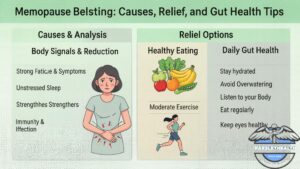
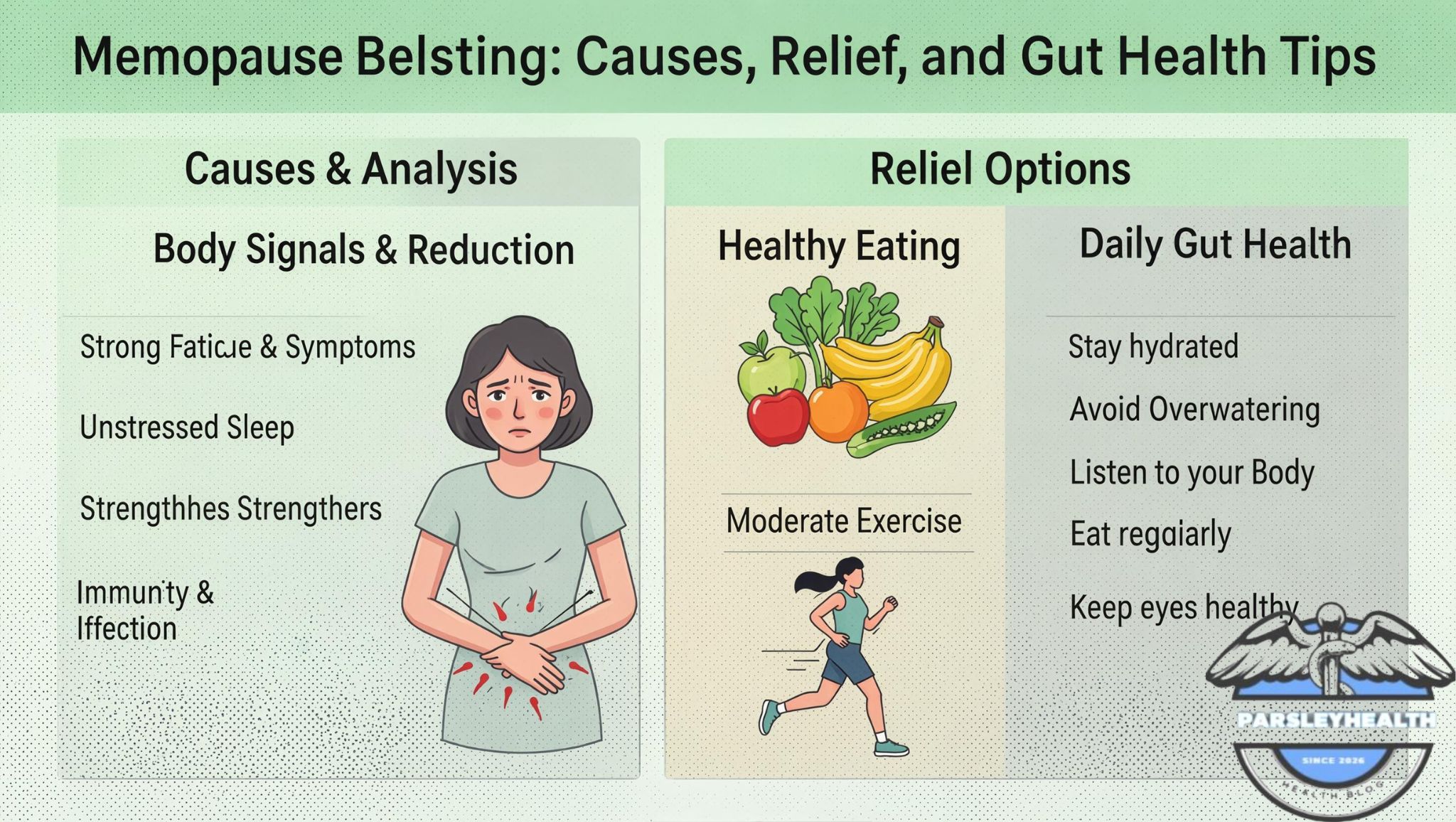
One day your clothes fit normally, and the next your stomach suddenly feels swollen, tight, or uncomfortable for no obvious reason. For many women, menopause bloating becomes one of the most frustrating and unexpected symptoms during midlife hormonal changes.
Unlike occasional bloating after a heavy meal, menopause-related bloating can feel persistent, unpredictable, and emotionally draining. Some women describe it as waking up with a flat stomach and ending the day feeling puffy and uncomfortable. Others notice increased gas, abdominal pressure, or a constant sensation of fullness that never fully goes away.
Hormonal shifts during perimenopause and menopause affect far more than reproductive health. They can influence digestion, water retention, metabolism, stress responses, and gut health—all of which play a role in bloating.
The good news is that while menopause bloating can feel overwhelming, it’s often manageable with the right combination of lifestyle adjustments, nutritional support, stress management, and understanding what your body is actually going through.


What Causes Menopause Bloating?
Bloating during menopause is usually connected to a combination of hormonal and digestive changes.
The body becomes more sensitive to fluctuations in:
- Estrogen
- Progesterone
- Cortisol
- Insulin
These hormonal changes can influence digestion, fluid balance, and inflammation.
Estrogen Fluctuations
Estrogen plays a major role in regulating:
- Water retention
- Digestion
- Metabolism
- Gut function
During perimenopause, estrogen levels fluctuate unpredictably. These shifts may cause the body to retain more fluid, leading to swelling and abdominal puffiness.
Some women notice bloating worsens:
- Before a period
- During irregular cycles
- During hormonal transitions
Progesterone Changes
Progesterone often declines during menopause.
Lower progesterone may slow digestion and bowel movement activity, increasing:
- Constipation
- Gas
- Digestive discomfort
- Fullness
This slower digestive movement can make bloating feel more intense.
Why Menopause Affects Digestion
Hormones and digestion are deeply connected.
As hormone levels change, the digestive system may become more sensitive.
Slower Gut Motility
Many women notice digestion becomes slower during menopause.
Food may move more slowly through the intestines, contributing to:
- Gas buildup
- Constipation
- Stomach pressure
- Swelling
Increased Food Sensitivities
Some women become more sensitive to certain foods during menopause, even if those foods never caused issues before.
Common triggers may include:
- Dairy
- Gluten
- Carbonated drinks
- Fried foods
- Excess sugar


Menopause Bloating and Water Retention
Not all bloating comes from digestion.
Hormonal fluctuations may also cause the body to retain extra water.
Signs of Water Retention
- Puffy stomach
- Swollen fingers
- Tight clothing
- Facial puffiness
- Temporary weight fluctuations
Salt intake, stress, poor sleep, and hormonal shifts may all worsen fluid retention. You may read this: Metal Detox: Signs, Benefits, and Safe Detox Methods.
The Role of Stress and Cortisol
Stress has a major impact on digestive health.
During menopause, many women experience:
- Sleep disruption
- Anxiety
- Emotional stress
- Mood changes
This may increase cortisol, the body’s primary stress hormone.
How Cortisol Influences Bloating
Elevated cortisol may:
- Increase inflammation
- Affect digestion
- Trigger sugar cravings
- Disrupt gut bacteria
- Promote abdominal fat storage
Chronic stress can intensify both digestive and hormonal symptoms.
Menopause Bloating vs Weight Gain
Many women confuse bloating with weight gain because both can affect the abdominal area.
Bloating
Typically:
- Fluctuates throughout the day
- Feels tight or swollen
- Comes and goes
Weight Gain
Usually:
- Develops gradually
- Feels more constant
- Involves increased body fat
Menopause can contribute to both bloating and body composition changes simultaneously.
Gut Health and Menopause
The gut microbiome changes with age and hormonal shifts.
The balance of bacteria in the digestive system may influence:
- Inflammation
- Digestion
- Hormone metabolism
- Immune function
Gut Imbalance and Bloating
An unhealthy gut environment may increase:
- Gas production
- Constipation
- Food sensitivities
- Digestive discomfort
Supporting gut health becomes especially important during menopause.
Foods That May Worsen Menopause Bloating
Certain foods may increase digestive discomfort or water retention.
Common Triggers
- Processed foods
- Excess sodium
- Sugary snacks
- Carbonated beverages
- Alcohol
- Fried foods
Some women also react strongly to:
- Dairy
- Artificial sweeteners
- High-fat meals
Keeping a food journal may help identify personal triggers.


Foods That May Help Reduce Bloating
Diet can significantly affect digestive comfort during menopause.
Fiber-Rich Foods
Fiber supports healthy digestion and bowel regularity.
Helpful options include:
- Oats
- Berries
- Vegetables
- Lentils
- Chia seeds
Increase fiber gradually to avoid worsening gas initially.
Potassium-Rich Foods
Potassium may help balance fluid retention.
Examples include:
- Bananas
- Avocados
- Sweet potatoes
- Spinach
Hydrating Foods
Staying hydrated may actually reduce bloating.
Helpful choices include:
- Cucumbers
- Watermelon
- Celery
- Herbal teas
Does Exercise Help Menopause Bloating?
Movement can improve digestion and circulation.
Helpful Types of Exercise
- Walking
- Yoga
- Swimming
- Pilates
- Strength training
Regular activity may help:
- Reduce constipation
- Improve stress levels
- Support metabolism
- Reduce water retention
Gentle movement after meals may be especially beneficial.
Menopause Bloating and Constipation
Constipation becomes more common during menopause because hormonal changes may slow intestinal movement.
Signs of Constipation-Related Bloating
- Hard stools
- Infrequent bowel movements
- Abdominal pressure
- Feeling incomplete after using the bathroom
Improving hydration, fiber intake, and movement often helps.
Sleep and Hormonal Digestion
Poor sleep affects:
- Stress hormones
- Digestion
- Appetite regulation
- Inflammation
Night sweats and insomnia during menopause may indirectly worsen bloating by increasing cortisol and disrupting gut balance.
Better Sleep Habits
- Consistent bedtime
- Limiting caffeine late in the day
- Reducing screen exposure
- Cooling the bedroom
- Managing stress
Menopause Bloating and Hormone Replacement Therapy
Hormone replacement therapy affects women differently.
Some women notice:
- Reduced bloating
- Improved digestion
- Better hormonal balance
Others may temporarily experience:
- Water retention
- Breast tenderness
- Digestive changes
Responses vary depending on:
- Hormone type
- Dosage
- Individual sensitivity
Probiotics and Menopause Digestive Health
Probiotics may support:
- Gut bacteria balance
- Digestion
- Bowel regularity
Foods containing probiotics include:
- Yogurt
- Kefir
- Sauerkraut
- Kimchi
Some women also use probiotic supplements for digestive support.
Can Menopause Cause Gas?
Yes.
Hormonal changes may affect digestion and increase gas production.
Women may notice:
- Burping
- Flatulence
- Abdominal rumbling
- Pressure
This is often linked to slower digestion and altered gut bacteria.
Emotional Impact of Menopause Bloating
Bloating can affect more than physical comfort.
Many women report feeling:
- Self-conscious
- Frustrated
- Less confident
- Emotionally exhausted
The unpredictability of bloating can make clothing uncomfortable and increase stress around body image.
Understanding that these changes are hormonally influenced—not personal failure—can reduce some of the emotional burden.
When to See a Doctor
Although bloating is common during menopause, persistent or severe symptoms should still be evaluated.
Seek Medical Advice If You Experience
- Severe abdominal pain
- Rapid abdominal swelling
- Blood in stool
- Significant unexplained weight loss
- Persistent digestive issues
- Bloating that worsens steadily
Other digestive or gynecological conditions can sometimes mimic menopause symptoms.
Menopause Bloating and Inflammation
Inflammation may increase during hormonal transitions.
Factors contributing to inflammation include:
- Chronic stress
- Poor diet
- Lack of sleep
- Sedentary lifestyle
Reducing inflammation through lifestyle support may improve overall digestive comfort.
Daily Habits That May Help
Simple habits can make a meaningful difference over time.
Helpful Practices
- Eating slowly
- Drinking enough water
- Walking daily
- Managing stress
- Sleeping consistently
- Limiting ultra-processed foods
Consistency matters more than extreme restrictions.
FAQ
Frequently Asked Questions
Is bloating common during menopause?
Yes. Hormonal fluctuations often affect digestion and water retention during menopause.
Why does my stomach feel bigger during menopause?
Bloating, water retention, slower digestion, and body composition changes may all contribute.
Can menopause cause gas and constipation?
Yes. Hormonal shifts can slow digestion and increase gas production.
How long does menopause bloating last?
It varies. Some women experience occasional bloating, while others notice symptoms throughout perimenopause.
What foods reduce menopause bloating?
Fiber-rich foods, potassium-rich foods, hydrating foods, and minimally processed meals may help.
Does stress worsen menopause bloating?
Absolutely. Elevated stress hormones can affect digestion and inflammation.
Can exercise help with menopause bloating?
Yes. Regular movement may improve circulation, digestion, and stress regulation.
Are probiotics helpful during menopause?
Some women find probiotics beneficial for digestion and gut balance.
Can hormone replacement therapy reduce bloating?
Some women experience improvement, while others notice temporary fluid retention.
When should I worry about bloating during menopause?
Persistent, severe, or rapidly worsening bloating should be medically evaluated.
Conclusion
Menopause bloating can feel frustrating, uncomfortable, and emotionally exhausting, especially when it seems to appear without warning. Hormonal fluctuations, digestive changes, water retention, stress, and shifting gut health all play important roles in why bloating becomes more common during this stage of life.
The encouraging part is that many women find meaningful relief through supportive lifestyle habits rather than extreme solutions. Nourishing foods, hydration, movement, stress management, sleep, and gut health support can all help improve comfort and reduce daily swelling over time.
Most importantly, menopause is not a personal failure or a sign that your body is working against you. It’s a major biological transition, and understanding how your body changes during that process can help you respond with more confidence, patience, and self-compassion.