Hormones influence nearly every system in the body, from mood and energy to skin, metabolism, and reproductive health. When those hormones become unbalanced, the effects can feel frustrating, confusing, and deeply personal. That’s why many women begin searching for how to lower testosterone in women after noticing symptoms that suddenly seem out of character.
Higher-than-normal testosterone levels in women may contribute to issues like acne, unwanted facial hair, scalp hair thinning, irregular periods, weight gain, or difficulty managing insulin resistance. While testosterone is a normal and important hormone for women too, excessive levels can disrupt hormonal balance and affect both physical and emotional well-being.
The encouraging part is that hormone health is rarely controlled by one single factor. Nutrition, stress, sleep, insulin sensitivity, exercise, inflammation, and medical conditions all play important roles in how hormones function. In many cases, addressing underlying lifestyle and health patterns can help support more balanced testosterone levels over time.
Understanding what causes elevated testosterone and which approaches genuinely support hormonal health can help you make informed decisions without falling into extreme or misleading wellness advice.


What Does Testosterone Do in Women?
Testosterone is often thought of as a “male hormone,” but women naturally produce testosterone too.
In healthy amounts, testosterone supports:
- Muscle strength
- Bone health
- Energy
- Libido
- Mood
- Cognitive function
Women produce testosterone mainly through:
- The ovaries
- Adrenal glands
Problems typically occur when testosterone levels become excessively elevated or when the body becomes more sensitive to androgens.
Signs of High Testosterone in Women
Symptoms vary depending on the underlying cause and hormone levels.
Common Symptoms
- Acne
- Facial hair growth
- Excess body hair
- Irregular periods
- Scalp hair thinning
- Weight gain
- Oily skin
- Mood changes
Some women may also experience:
- Fertility challenges
- Insulin resistance
- Increased abdominal fat
Common Causes of High Testosterone
Several health conditions and lifestyle factors can contribute to elevated testosterone.
Polycystic Ovary Syndrome (PCOS)
PCOS is one of the most common causes of high testosterone in women.
It often involves:
- Hormonal imbalance
- Insulin resistance
- Irregular ovulation
- Elevated androgen levels
Insulin Resistance
Insulin and testosterone are closely connected.
When insulin levels remain elevated, the ovaries may produce more testosterone.
This is why blood sugar balance becomes so important for hormone health.
Chronic Stress
Stress increases cortisol production, which may indirectly influence:
- Insulin
- Reproductive hormones
- Androgen balance
Long-term stress may worsen hormonal dysregulation.


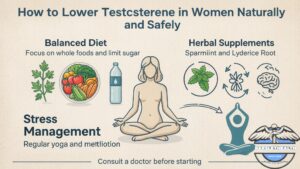
How to Lower Testosterone in Women Naturally
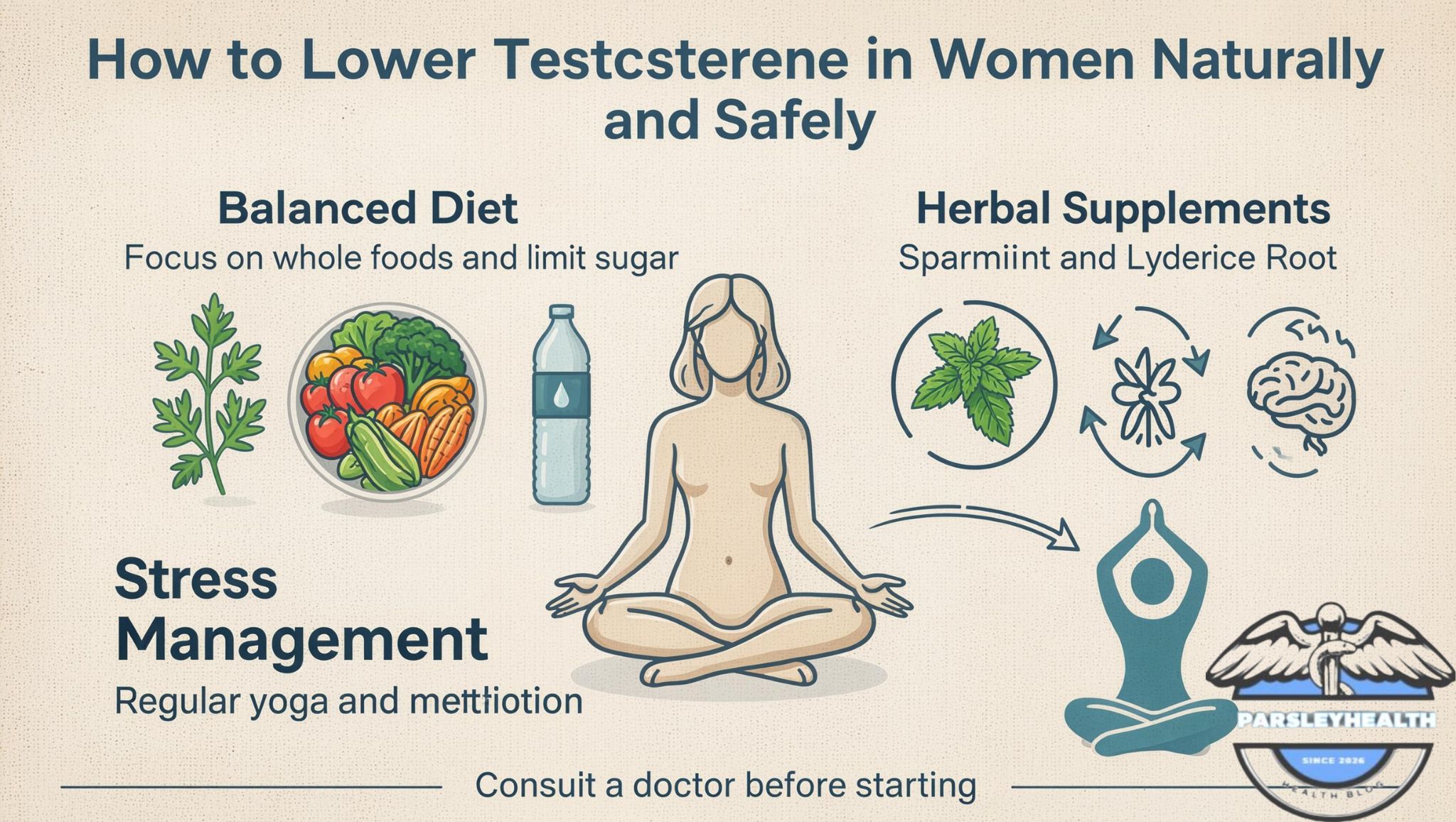
Supporting hormone balance usually involves addressing the root causes rather than trying to “force” hormones lower quickly.
Improve Blood Sugar Balance
One of the most effective strategies is stabilizing insulin levels.
Helpful habits include:
- Eating balanced meals
- Including protein regularly
- Limiting excessive sugar intake
- Choosing fiber-rich carbohydrates
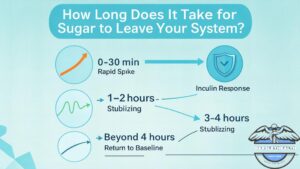
Stable blood sugar may help reduce androgen stimulation. You may also read this: How Long Does It Take for Sugar to Leave Your System?
Focus on Whole Foods
Nutrition strongly influences hormone health.
Helpful foods often include:
- Vegetables
- Lean proteins
- Healthy fats
- Fiber-rich foods
- Whole grains
Highly processed foods and excessive sugar may worsen insulin resistance and inflammation.
Increase Fiber Intake
Fiber helps support:
- Blood sugar regulation
- Digestion
- Hormone metabolism
Good sources include:
- Oats
- Lentils
- Vegetables
- Berries
- Chia seeds
Weight Management and Testosterone Levels
Excess body fat, especially around the abdomen, may contribute to insulin resistance and hormonal imbalance.
For some women, even modest weight loss may help improve:
- Insulin sensitivity
- Menstrual regularity
- Testosterone levels
However, extreme dieting can backfire by increasing stress hormones and disrupting metabolism further.
Exercise and Hormone Balance
Movement supports overall hormonal health.
Helpful Types of Exercise
- Walking
- Strength training
- Cycling
- Swimming
- Pilates
Exercise may improve:
- Insulin sensitivity
- Stress regulation
- Body composition
- Inflammation
Avoid Overtraining
Excessive intense exercise may increase cortisol and stress the body further.
Balance and recovery matter.
Stress Reduction and Testosterone
Chronic stress can disrupt hormonal balance significantly.
How Stress Affects Hormones
Elevated cortisol may:
- Worsen insulin resistance
- Influence reproductive hormones
- Increase inflammation
- Affect sleep quality
Stress management practices may support healthier hormone patterns over time.
Helpful Stress Management Techniques
- Meditation
- Yoga
- Walking outdoors
- Breathwork
- Journaling
- Better sleep habits


Sleep and Hormonal Health
Poor sleep affects nearly every hormone system in the body.
Sleep deprivation may:
- Increase cortisol
- Worsen insulin resistance
- Affect appetite hormones
- Disrupt reproductive hormones
Better Sleep Habits
- Consistent bedtime
- Reducing screen exposure before sleep
- Limiting caffeine late in the day
- Creating a calm sleep environment
Hormonal health often improves when sleep quality improves.
Foods That May Support Lower Testosterone
No single food magically lowers testosterone, but certain dietary patterns may support hormonal balance.
Helpful Foods
- Leafy greens
- Fatty fish
- Flaxseeds
- Berries
- Legumes
- Nuts
- Whole grains
Foods Often Limited
Some women feel better reducing:
- Sugary beverages
- Ultra-processed foods
- Excess alcohol
- Refined carbohydrates
The goal is balance, not extreme restriction.
Can Spearmint Tea Help?
Spearmint tea has gained attention for its potential anti-androgen effects.
Some small studies suggest it may help reduce:
- Facial hair growth
- Free testosterone levels
However, it should be viewed as supportive rather than a standalone treatment.
Supplements Sometimes Used for Hormonal Support
Some supplements may support hormone balance under professional guidance.
Commonly Discussed Options
- Inositol
- Omega-3 fatty acids
- Vitamin D
- Magnesium
- Zinc
Supplement needs vary widely between individuals.
Medical Treatments for High Testosterone
Lifestyle changes help many women, but medical treatment may also be necessary depending on the cause.
Birth Control Pills
Hormonal contraceptives may help regulate:
- Testosterone
- Menstrual cycles
- Acne
- Excess hair growth
Anti-Androgen Medications
Certain medications may block androgen effects in the body.
Examples include:
- Spironolactone
- Other hormone-regulating therapies
These should only be used under medical supervision.
High Testosterone and Skin Changes
Elevated testosterone may increase oil production in the skin.
This can contribute to:
- Hormonal acne
- Oily skin
- Inflammation
Balancing hormones often improves skin over time, though patience is important.
Hair Loss and Testosterone
High androgen levels may contribute to:
- Scalp hair thinning
- Female pattern hair loss
At the same time, increased facial or body hair growth may occur.
This combination can feel emotionally difficult for many women.
Emotional Effects of Hormonal Imbalance
Hormonal symptoms often affect self-esteem and emotional well-being.
Women dealing with:
- Acne
- Hair changes
- Weight fluctuations
- Irregular periods
may feel frustrated, isolated, or emotionally exhausted.
Understanding that these symptoms are medically connected to hormones—not personal failure—can help reduce shame and confusion.
Gut Health and Hormone Regulation
The gut microbiome helps regulate hormone metabolism.
Poor gut health may contribute to:
- Inflammation
- Blood sugar imbalance
- Hormonal dysregulation
Helpful habits include:
- Eating fiber-rich foods
- Managing stress
- Including probiotic foods
- Staying hydrated
Environmental Factors and Hormones
Certain environmental chemicals may influence hormone balance.
Potential contributors include:
- Endocrine disruptors
- Poor sleep patterns
- Chronic stress
- Sedentary lifestyle
Reducing unnecessary exposure while focusing on overall wellness may support hormonal resilience.
When to See a Doctor
Medical evaluation is important if you experience:
- Rapid hair growth changes
- Severe acne
- Missing periods
- Sudden scalp hair loss
- Fertility issues
- Significant hormonal symptoms
Testing may help identify:
- PCOS
- Adrenal conditions
- Thyroid disorders
- Insulin resistance
Common Myths About Testosterone in Women
“Testosterone Is Bad for Women”
False. Women need testosterone too, just in balanced amounts.
“You Can Fix Hormones Overnight”
Hormonal balance usually improves gradually through consistent lifestyle and medical support.
“Only Overweight Women Have High Testosterone”
Women of all body sizes can experience hormonal imbalance.
FAQ
Frequently Asked Questions
What causes high testosterone in women?
PCOS, insulin resistance, stress, adrenal issues, and hormonal disorders are common contributors.
Can diet help lower testosterone?
Yes. Balanced nutrition may support insulin regulation and hormonal health.
Does exercise reduce testosterone in women?
Moderate exercise may support healthier hormone balance, especially when combined with stress management and proper recovery.
Can stress increase testosterone?
Chronic stress may indirectly worsen hormonal imbalance through cortisol and insulin effects.
Is high testosterone dangerous?
It depends on the cause and severity. Medical evaluation is important for persistent symptoms.
Can losing weight help lower testosterone?
For some women, improved insulin sensitivity through weight management may help regulate hormones.
Does spearmint tea lower testosterone?
Some small studies suggest spearmint may have mild anti-androgen effects.
Can high testosterone cause hair loss?
Yes. Elevated androgens may contribute to scalp hair thinning in some women.
Are supplements effective for hormone balance?
Certain supplements may help support hormonal health, though individual needs vary.
Should I see a doctor for hormonal symptoms?
Yes. Persistent symptoms deserve proper evaluation and testing.
Conclusion
Learning how to lower testosterone in women starts with understanding that hormones are deeply connected to metabolism, stress, sleep, insulin sensitivity, and overall health. Elevated testosterone levels often reflect broader imbalances within the body rather than a single isolated issue.
For many women, supportive lifestyle habits like balanced nutrition, regular movement, stress management, better sleep, and blood sugar regulation can significantly improve hormonal health over time. In other cases, medical support may also be necessary, especially when conditions like PCOS or insulin resistance are involved.
Most importantly, hormonal symptoms are real, common, and treatable. Approaching hormone health with patience, consistency, and evidence-based support often leads to far more sustainable improvements than chasing quick fixes or extreme wellness trends.