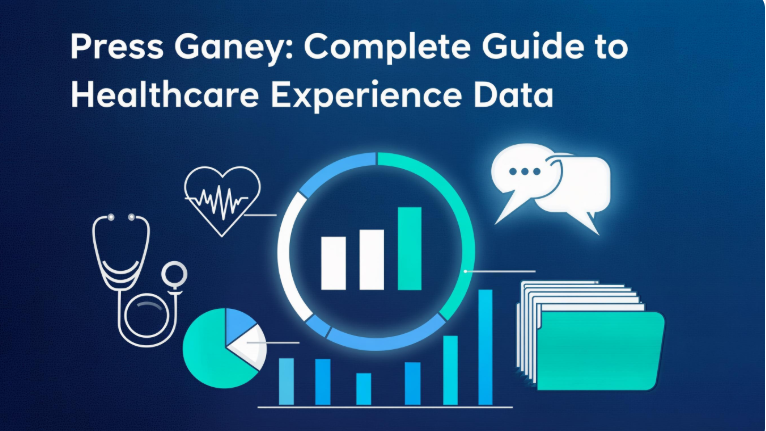
In modern healthcare, delivering excellent clinical care is no longer enough. Hospitals and healthcare systems must also understand how patients feel, how staff perform, and where operational gaps exist. That’s where press ganey has become one of the most influential names in healthcare performance measurement.
Press Ganey helps healthcare organizations turn patient feedback and operational data into meaningful insights. From patient satisfaction surveys to workforce engagement analytics, the company plays a major role in shaping healthcare quality across the United States.
Whether you’re a hospital administrator, healthcare worker, or simply curious about patient experience measurement, understanding Press Ganey offers valuable insight into how modern healthcare systems improve care delivery.
What Is Press Ganey?
Press Ganey is a healthcare analytics and performance improvement company that specializes in collecting, analyzing, and interpreting experience data.
Its primary mission is to help healthcare organizations improve:
- Patient experience
- Employee engagement
- Clinical quality
- Safety outcomes
- Operational performance
The company works with hospitals, clinics, physician groups, and healthcare systems to measure how care is delivered and perceived.


Rather than relying on assumptions, healthcare leaders use data-driven insights to make better decisions.
That is the core value of Press Ganey.
History of Press Ganey
Press Ganey was founded in 1985 by Irwin Press and Rod Ganey.
The company emerged during a period when healthcare institutions began recognizing that patient satisfaction mattered significantly.
Historically, hospitals focused heavily on clinical outcomes.
But over time, healthcare leaders realized patient perception also affects:
- reputation
- loyalty
- reimbursement
- trust
- treatment adherence
This shift increased demand for sophisticated experience measurement tools.
Over decades, Press Ganey became a dominant force in the healthcare analytics industry.
Why Patient Experience Matters
Healthcare is deeply personal.
Patients don’t evaluate care solely by medical outcomes.
They also judge care based on experience.
Important experience factors include:
- communication quality
- wait times
- staff empathy
- cleanliness
- scheduling efficiency
Two hospitals may deliver similar medical outcomes, yet patient satisfaction can differ dramatically.
That difference influences patient trust. You may read this: Why Do I Wake Up In The Middle Of The Night? 11 Reasons.


Organizations increasingly recognize experience as a strategic priority.
How Press Ganey Works
Understanding press ganey becomes easier when you break the process into stages.
Data Collection
The company gathers feedback through surveys and digital tools.
Patients may receive questionnaires after appointments or hospital stays.
Data Analysis
Collected responses are processed using analytics systems.
Patterns and trends become visible.
Benchmarking
Hospitals compare performance against peer institutions.
Action Planning
Organizations use insights to improve weak areas.
This cycle turns raw feedback into measurable improvement.
Types of Data Collected
Press Ganey collects multiple forms of healthcare-related data.
These often include:
Patient Experience Data
How patients feel about care delivery.
Employee Engagement Data
How staff feel about workplace culture.
Safety Metrics
Indicators related to errors and risk.
Clinical Performance Data
Operational and treatment outcome measurements.
This broad approach helps organizations understand the full care ecosystem.
Press Ganey Patient Surveys
Patient surveys are among the most recognized products offered by Press Ganey.
These surveys ask questions about healthcare interactions.
Common survey categories include:
- scheduling experience
- front desk interactions
- nurse communication
- physician communication
- discharge process
Survey responses help identify strengths and weaknesses.
For example, consistently poor communication scores may indicate training needs.
This creates actionable improvement opportunities.
Role of Press Ganey in Hospitals
Hospitals rely on press ganey for more than surveys.
The platform supports strategic decision-making.
Hospitals may use data to:
- improve patient retention
- reduce complaints
- increase service quality
- strengthen staff satisfaction
- improve performance rankings
Healthcare leaders often review these insights regularly.


Data-driven management improves accountability across departments.
Employee Engagement and Workplace Culture
Patient satisfaction often mirrors employee wellbeing.
Happy employees usually deliver better service.
That’s why workforce engagement matters.
Press Ganey helps organizations measure employee sentiment regarding:
- leadership trust
- workload
- burnout
- communication
- workplace culture
This is especially important in healthcare, where burnout can directly affect patient care.
Organizations increasingly treat employee wellbeing as a strategic priority.
Why Benchmarking Matters
Benchmarking is one of Press Ganey’s strongest capabilities.
Benchmarking allows organizations to compare performance with peers.
Without benchmarking, a score alone lacks context.
Example:
A hospital satisfaction score of 82 may seem strong.
But if top-performing peers average 92, improvement is clearly needed.
Benchmarking helps leaders prioritize improvements intelligently.
Benefits of Using Press Ganey
Healthcare organizations gain several benefits from using these analytics systems.
Major advantages include:
Better Patient Satisfaction
Data helps improve experience quality.
Improved Reputation
Higher satisfaction often improves public trust.
Stronger Employee Retention
Better engagement reduces turnover.
Quality Improvement
Analytics reveal operational weaknesses.
Smarter Decision-Making
Leadership can prioritize high-impact changes.
These benefits explain widespread adoption.
Challenges and Criticism
Despite its influence, Press Ganey is not without criticism.
Some healthcare professionals raise concerns.
Common criticisms include:
Survey Bias
Not all patients complete surveys.
Emotional Responses
Patients may rate based on emotions rather than care quality.
Oversimplification
Complex healthcare experiences may be reduced to scores.
Staff Pressure
Excessive focus on scores can create stress.
These criticisms highlight the importance of interpreting survey data carefully.
Technology and Analytics Innovation
Healthcare analytics has evolved dramatically.
Modern platforms now incorporate:
- AI-powered analytics
- predictive modeling
- real-time dashboards
- sentiment analysis
These technologies help organizations detect patterns faster.
Advanced analytics make performance improvement more proactive than reactive.
This evolution continues shaping healthcare management.
Why Press Ganey Remains Important
Healthcare systems face growing pressure to improve quality while controlling costs.
Patient expectations continue rising.
Competition between healthcare providers is increasing.
These trends make performance analytics essential.
Press Ganey remains relevant because it helps organizations measure what matters.
Without data, improvement becomes guesswork.
With reliable analytics, leaders can make informed changes.
FAQs
What does Press Ganey do?
Press Ganey provides healthcare analytics focused on patient experience, employee engagement, and performance improvement.
Is Press Ganey only for hospitals?
No. It also serves clinics, physician groups, and healthcare systems.
Why are Press Ganey surveys important?
They help organizations understand patient perceptions and improve care quality.
What kind of data does Press Ganey collect?
Patient feedback, staff engagement metrics, safety data, and operational performance.
How does Press Ganey improve healthcare?
It turns feedback into actionable insights for better decision-making.
Is Press Ganey data reliable?
It is valuable but should be interpreted carefully alongside other metrics.
Why do healthcare workers mention Press Ganey often?
Because survey scores often influence quality initiatives and leadership decisions.
Does Press Ganey measure employee satisfaction?
Yes, employee engagement is a major part of its services.
Conclusion
The importance of press ganey goes far beyond patient surveys. It represents a broader shift toward data-driven healthcare improvement, where patient experience, employee wellbeing, and operational quality are measured with greater precision.
As healthcare continues evolving, organizations need more than clinical excellence—they need visibility into how care is experienced at every level. Press Ganey helps provide that visibility.