Your digestive system works around the clock, often without you even noticing—until something goes wrong. That’s why gastro health matters more than many people realize. From the moment you eat breakfast to the time your body absorbs nutrients, your gastrointestinal system plays a central role in keeping you healthy.
Poor digestion doesn’t just cause stomach discomfort. It can affect energy, immunity, mental clarity, sleep quality, and even mood. In recent years, growing scientific research has revealed just how deeply gut function influences overall wellness.
Whether you’re dealing with bloating, acid reflux, constipation, or simply want better digestion, understanding gastro health can help you make smarter lifestyle choices for long-term wellbeing.
What Is Gastro Health?
Gastro health refers to the health and proper functioning of the gastrointestinal (GI) system—the organs responsible for digestion, nutrient absorption, and waste elimination.
The GI system includes:
- Mouth
- Esophagus
- Stomach
- Small intestine
- Large intestine
- Rectum
- Anus
- Liver
- Gallbladder
- Pancreas
These organs work together to break down food, extract nutrients, and remove waste.
When this system functions properly, digestion feels effortless. When something goes wrong, symptoms can quickly affect daily life.


Why Gastro Health Matters
Your gut does much more than digest food.
Scientists now understand the digestive system as one of the body’s most important control centers.
Healthy digestion supports:
- Nutrient absorption
- Immune defense
- Hormonal balance
- Metabolism
- Mental wellbeing
Nearly 70% of the immune system is connected to the gut.
That means poor digestive function can contribute to broader health problems beyond the stomach.
The Gut-Brain Connection
One of the most fascinating discoveries in modern medicine is the connection between the brain and digestive system.
This relationship is called the gut-brain axis.
Your digestive tract communicates continuously with the brain through nerves, hormones, and chemical messengers.
This helps explain why stress often causes digestive symptoms. You may read this: Press Ganey: Complete Guide to Healthcare Experience Data.
Common examples include:
- stress-related diarrhea
- nervous stomach
- nausea during anxiety
- appetite loss
When mental stress rises, digestive performance often suffers.
Signs of Poor Gastro Health
How do you know whether your digestive system needs attention?
Several warning signs may suggest poor gut function.
Frequent Bloating
Occasional bloating is common.
Persistent bloating may indicate digestive imbalance.
Constipation
Difficulty passing stools may signal low fiber intake, dehydration, or GI dysfunction.
Acid Reflux
Frequent heartburn can indicate reflux or other upper digestive issues.
Irregular Bowel Movements
Changes in frequency, consistency, or urgency deserve attention.
Abdominal Pain
Ongoing stomach pain should never be ignored.


If symptoms persist, medical evaluation is important.
Common Gastrointestinal Conditions
Many digestive issues fall into common categories.
Gastroesophageal Reflux Disease (GERD)
A chronic form of acid reflux causing heartburn and irritation.
Irritable Bowel Syndrome (IBS)
A functional gut disorder causing pain, bloating, diarrhea, or constipation.
Crohn’s Disease
A chronic inflammatory bowel disease affecting digestion.
Ulcerative Colitis
Inflammation and ulcers affecting the colon.
Peptic Ulcer Disease
Sores in the stomach or upper intestine.
Understanding these conditions helps with early detection.
The Role of Gut Microbiome in Gastro Health
Inside your digestive system lives a vast community of bacteria, fungi, and microorganisms called the gut microbiome.
Not all bacteria are harmful.
Many are essential for health.
Healthy gut bacteria help with:
- digestion
- vitamin production
- immune support
- inflammation control
- metabolic balance
An imbalanced microbiome may contribute to digestive disorders.
Researchers increasingly view microbiome health as central to overall wellness.
Best Foods for Better Digestive Health
Food choices strongly affect digestive function.
The best diet for strong gastro health emphasizes nutrient-rich, minimally processed foods.
Fiber-Rich Foods
Fiber supports healthy bowel movements.
Examples:
- oats
- beans
- lentils
- fruits
- vegetables
Fermented Foods
These may support healthy gut bacteria.
Examples:
- yogurt
- kefir
- kimchi
- sauerkraut
Lean Proteins
Protein supports tissue repair without excessive digestive burden.
Examples:
- fish
- eggs
- chicken
Hydrating Foods
Water supports digestion and stool softness.
Examples:
- cucumber
- watermelon
- oranges


Foods That Can Harm Gastro Health
Some foods may trigger digestive discomfort.
Common triggers include:
- ultra-processed foods
- excess sugar
- fried foods
- excessive caffeine
- carbonated beverages
- alcohol
- spicy meals (for sensitive individuals)
Triggers vary by person.
Food journals can help identify patterns.
Lifestyle Habits That Improve Digestion
Diet matters—but lifestyle matters too.
Exercise Regularly
Physical activity stimulates intestinal movement.
Sleep Well
Poor sleep can worsen digestive function.
Manage Stress
Stress strongly impacts gut performance.
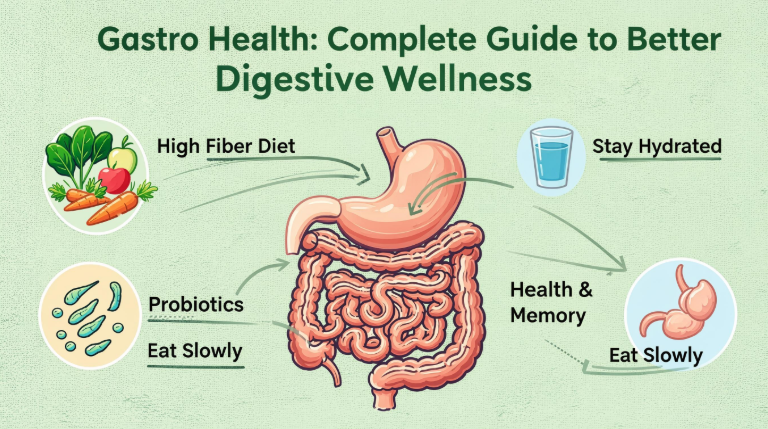
Eat Slowly
Slow eating improves digestion and reduces bloating.
Stay Hydrated
Water supports efficient digestion.
Small habits create long-term digestive improvements.
Gastro Health and Mental Wellness
Digestive symptoms often affect emotional wellbeing.
Chronic GI discomfort may increase:
- stress
- anxiety
- fatigue
- irritability
The reverse is also true.
Psychological stress can worsen digestive symptoms.
This two-way relationship makes holistic care important.
Healthy digestion supports both physical and mental resilience.
When to See a Gastroenterologist
Sometimes symptoms need specialist care.
Consider consulting a gastroenterologist if you experience:
- persistent abdominal pain
- blood in stool
- unexplained weight loss
- chronic diarrhea
- frequent vomiting
- severe reflux
A specialist can diagnose underlying issues early.
Early treatment often improves outcomes.
Preventive Strategies for Long-Term Gut Health
Preventive care matters.
Long-term digestive wellness often comes down to consistency.
Key preventive strategies include:
- Eat balanced meals
- Reduce processed foods
- Stay active
- Manage stress
- Sleep sufficiently
- Avoid smoking
- Limit alcohol
These simple steps can greatly improve digestive resilience over time.
FAQs
What does gastro health mean?
It refers to the health of the digestive system and gastrointestinal tract.
What are signs of poor gut health?
Common signs include bloating, constipation, reflux, and abdominal pain.
Can stress affect digestion?
Yes. Stress strongly influences gut function through the gut-brain connection.
What foods improve digestion?
Fiber-rich, fermented, and hydrating foods support digestive wellness.
What doctor treats digestive problems?
A gastroenterologist specializes in digestive system disorders.
Is gut health connected to immunity?
Yes. A large portion of immune function is linked to the gut.
How can I improve digestive health naturally?
Eat well, hydrate, exercise, sleep properly, and manage stress.
Are probiotics good for gut health?
They may help some people by supporting healthy gut bacteria.
Conclusion
Good gastro health is about far more than avoiding stomach pain. It influences how your body absorbs nutrients, fights illness, manages stress, and maintains daily energy. When your digestive system functions well, nearly every part of your health benefits.
The encouraging news is that improving digestive wellness often begins with small, sustainable habits—better nutrition, smarter lifestyle choices, reduced stress, and early attention to symptoms. By caring for your gut today, you invest in better health for years to come.